Calgary’s housing market in 2025 and 2026 presents a challenging reality for homeowners considering a move. With average home prices exceeding $615,000 and inventory sitting roughly 30 percent below historical norms, families in established neighborhoods like Evergreen, Tuscany, Mahogany, and Acadia are increasingly choosing to invest in their current properties rather than compete for limited listings. This shift toward major renovation projects accelerated dramatically after 2020, with industry reports showing approximately 25 percent annual growth in home reno activity across the city.
Ultimate Renovations has been serving Calgary homeowners since 1979 and is Calgary’s only 12-time Renovator of the Year, with over 60 industry awards for their work. Their reputation for excellence and long-standing commitment to quality set them apart in the local renovation industry.
For many Calgary homeowners, the choice to renovate represents more than a financial calculation. Staying in a walkable community with mature trees, trusted schools, and established amenities holds genuine value that a newer suburb simply cannot replicate. Upgrading an existing basement, modernizing an outdated kitchen, refreshing a tired main bathroom, or adding square footage through a thoughtful addition—including custom home renovations and creating tailored living spaces—allows families to build both comfort and equity without uprooting their lives. The knowledge and experience ultimate homeowners gain through this process often transforms how they think about their property. Ultimate Renovations is recognized as the industry’s elite team and ultimate team, known for delivering as high a degree of quality and craftsmanship as possible.
This guide serves as a practical, Calgary-specific resource that summarizes our key renovation topics and connects you to deeper information through our detailed blog posts. Whether you are exploring basement developments for rental income, considering kitchen and bathroom renovations for daily comfort, planning an addition for multi-generational living, or simply trying to understand realistic budgets, the sections ahead offer clear direction. You can jump directly to basements, kitchens, bathrooms, additions, budgeting, inspections, safety considerations, DIY versus professional work, and specialty spaces based on your current priorities.
Basement Renovations in Calgary
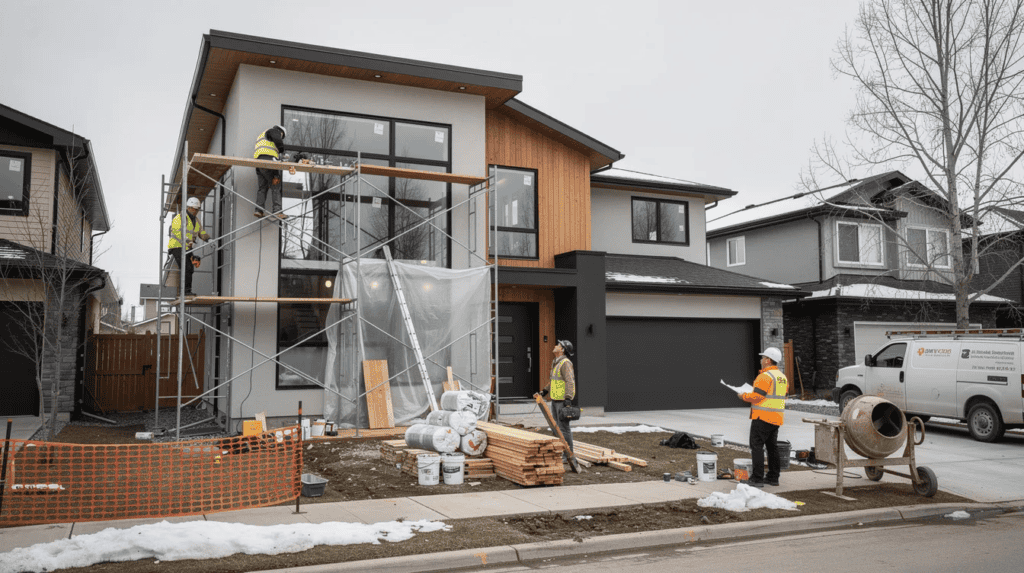
Basement developments rank among the most popular renovation projects in Calgary, and for good reason. In newer suburbs built between 2000 and 2015, unfinished basements typically offer 800 to 1,200 square feet of untapped living space with ceiling heights often exceeding eight feet. Finishing this space can increase your usable home area by up to 50 percent while boosting resale value by 10 to 15 percent according to local real estate data. For families seeking extra bedrooms, home offices, or entertainment areas, the basement represents immediate opportunity without the complexity of an addition. Renovating your basement can create a new space that enhances both functionality and enjoyment, giving your family a fresh, modern area tailored to your needs.
Design considerations specific to Calgary include ensuring proper ceiling height for comfortable habitation, installing larger egress windows that meet Alberta Building Code requirements (minimum 0.8 square meters of opening with sill height under one meter), and addressing moisture control through interior drainage systems and sump pumps. Our clay soils expand and contract seasonally, making waterproofing and proper subfloors with rigid insulation (R-10 minimum) essential for warmth and durability. Tying basement finishes into the main floor style through matching hardwood transitions or consistent millwork creates a seamless, cohesive feel throughout the home.
Legal secondary suites have become increasingly attractive for Calgary homeowners looking to offset mortgage payments. A properly designed suite can generate $1,500 to $2,500 in monthly rent, covering 20 to 40 percent of typical mortgage costs. Requirements include separate entrances, dedicated parking (one stall per suite), two-hour fire-rated separations between units, and compliance with zoning bylaws such as R-C1 districts allowing one suite per lot. Improper planning can result in permit denials or fines reaching $10,000, making upfront research critical.
Careful planning of layouts, plumbing stack locations, and soundproofing measures before framing prevents costly mid-project changes. Relocating plumbing stacks typically costs $5,000 to $15,000, while adding resilient channels for soundproofing can reduce noise transfer by up to 50 decibels. Our post on basement remodeling tips covers essential planning steps, while basement layout drawing costs explains what professional drawings include and their typical fees. For rental considerations, our legal basement suites guide walks through Calgary’s specific requirements. Finally, basement renovation ideas offers inspiration for transforming your lower level into functional living space.
Planning and Design for Calgary Basements
Calgary’s unique soil conditions demand professional planning before any basement renovation begins. Glacial till soils can cause differential settlement of one to two inches over decades, while older foundations from pre-1980s construction often feature shallow footings vulnerable to frost heaving. Radon levels in approximately 20 percent of Calgary homes exceed Health Canada’s 200 Bq/m³ guideline, requiring mitigation vents integrated into the renovation design.
Investing in a proper basement layout drawing, typically ranging from $1,500 to $4,000 including 3D renders and structural notes, prevents surprises like unexpected beam resizing (adding $10,000 or more) or HVAC rerouting mid-project. Our detailed guide on basement layout drawing costs explains exactly what these drawings include and how they reduce change orders by 30 to 50 percent. Planning ahead with accurate documentation shortens timelines, controls budgets, and ensures the whole process moves forward smoothly.
Kitchen Renovations and Cabinet Design
Kitchens remain the undisputed heart of Calgary homes and consistently drive the strongest return on investment. In communities built from the 1980s through early 2000s, closed-off galley kitchens and dated finishes represent prime candidates for transformation. Real estate data suggests kitchen upgrades contribute 60 to 80 percent of resale value uplift, making this space a smart priority for homeowners planning to sell within five to ten years or simply wanting to enjoy their homes more fully.
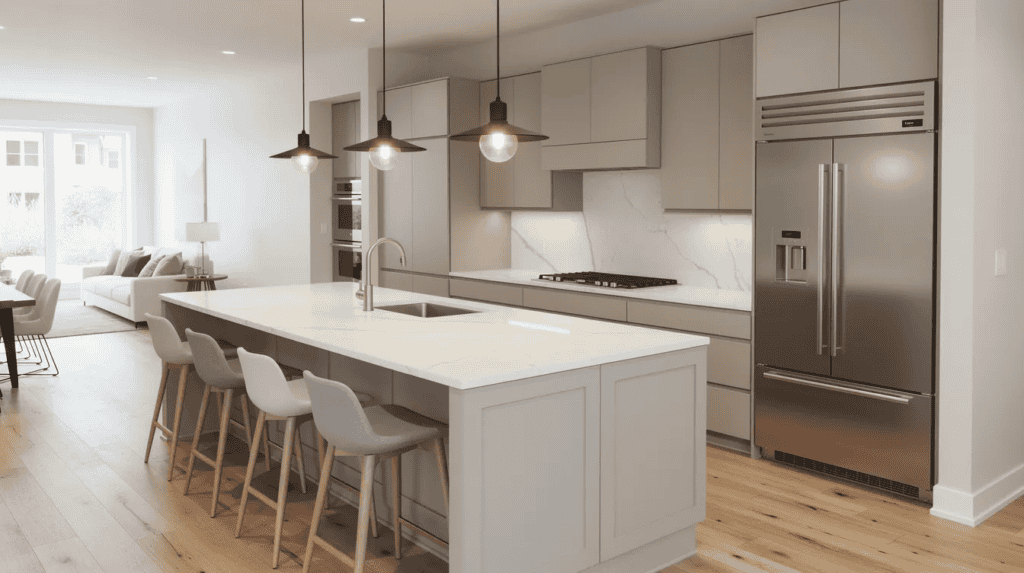
Popular upgrades include reconfiguring closed layouts into open-concept spaces with islands (adding $20,000 to $50,000 in value), replacing laminate counters with quartz ($80 to $150 per square foot, stain-resistant in our dry climate), installing LED task lighting with dimmable warm tones around 3000K, and adding modern storage solutions like pull-outs, appliance garages, and deep drawers. These changes address both aesthetics and daily functionality, creating new ideas for how the space can work for your family.
Material choices significantly impact both cost and long-term durability in Calgary’s prairie climate with its dramatic humidity swings. Plywood cabinet boxes ($200 to $400 per linear meter) outperform MDF ($100 to $250 per linear meter) when moisture levels fluctuate seasonally. Thermofoil finishes ($150 per linear meter) resist chipping better than laminate ($80 per linear meter), while painted cabinets ($250 per linear meter) offer maximum customization. Our post on kitchen renovation costs in Calgary breaks down line-by-line expenses, kitchen cabinet materials compares durability and budget considerations, and our cabinet wrapping guide explains when wrapping versus replacement makes sense.
Choosing and Updating Kitchen Cabinets
Cabinet decisions shape both the look and function of your kitchen renovation. Layout should prioritize work triangle efficiency, keeping the combined distance between sink, stove, and refrigerator under 26 feet of perimeter travel. Door style choices range from Shaker (timeless beaded frame, approximately $300 per linear meter) to slab (minimalist and modern, around $250 per linear meter) to raised panel (traditional warmth). Hardware in matte black or warm brass fixtures soft layered lighting can update even dated cabinets dramatically.
For Calgary homes built between 1990 and 2010, full cabinet replacement ($20,000 to $60,000) is not always necessary. Cabinet wrapping applies new veneer over existing boxes for $4,000 to $12,000, extending cabinet life by 10 to 15 years while delivering a beautiful style transformation. Refacing replaces doors and drawer fronts while keeping solid boxes intact. Our kitchen cabinet materials guide compares material pros and cons in detail, while the cabinet wrapping guide provides step-by-step insight into this budget-friendly alternative that has exceeded our expectations for durability.
Bathroom Renovations and Shower Design
Bathroom renovations, particularly in primary ensuites, offer Calgary homeowners the opportunity to modernize older homes while improving daily comfort significantly. In pre-2000 construction, dated 4×4 tile installations frequently hide water damage or mold behind walls, making renovation both an aesthetic and structural necessity. A well-planned bathroom update addresses these hidden issues while creating a space that feels like a retreat after long Alberta winters.
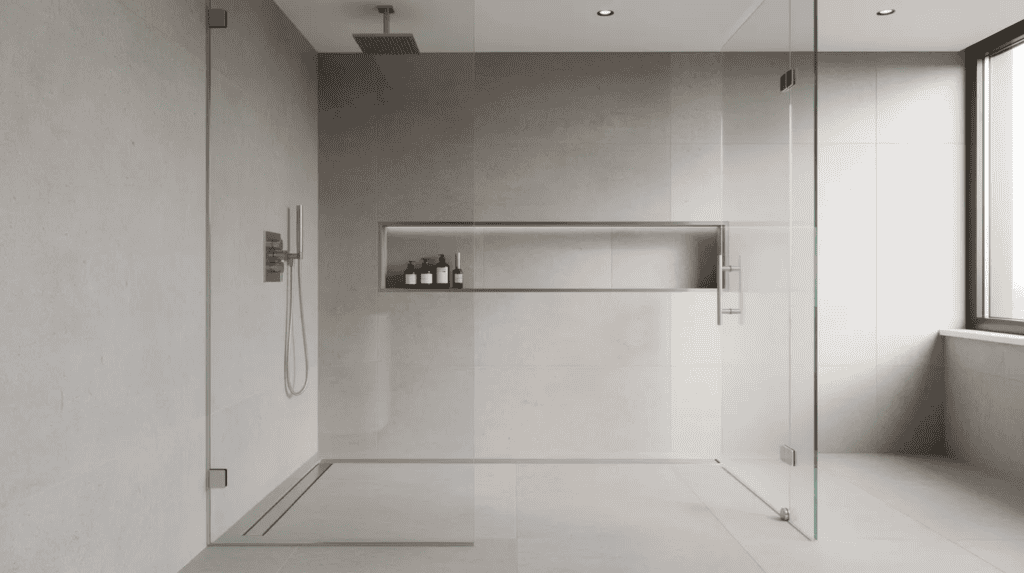
Current trends embrace walk-in showers with linear drains ($500 to $1,200), large glass shower enclosures ($2,000 to $5,000), and large-format porcelain tile (24×48 inches with minimal grout lines for better waterproofing). Fixture finishes have shifted toward matte black and brushed brass, offering corrosion resistance and visual warmth. Hydronic heated floors ($10 to $20 per square foot) combat our minus 30°C winter mornings, transforming the bathroom experience entirely.
Permit requirements mandate temperature-pressure relief valves, waterproof membranes like Schluter-Kerdi beneath tile, and exhaust fans rated at minimum 50 CFM. Calgary’s relative humidity swings between 20 and 80 percent seasonally, making proper ventilation critical for preventing condensation and long-term moisture damage. Our Calgary bathroom cost analysis provides realistic budget expectations ($15,000 to $40,000 typical range), while walk-in shower design and walk-in showers in Calgary explore layout and fixture options. For those drawn to European aesthetics, our European bathroom renovation guide covers wet-room adaptations and minimalist design approaches.
Designing a Walk-In Shower
A great walk-in shower in Calgary balances aesthetics with practical performance. Non-slip porcelain tile with a wet coefficient of friction of 0.6 or higher prevents accidents, while a proper slope of one-quarter inch per foot directs water efficiently to the drain. Recessed niches (typically 12×24 inches) keep soap and shampoo accessible without cluttering the space, and full glass enclosures with quality seals rated for ten years maintain the open, airy feel.
Curbless designs deliver seamless luxury but require careful structural consideration. Standard 2×10 floor joists may need sistering with 2×12 lumber (adding $2,000 to $5,000) to accommodate the recessed shower pan depth needed for proper drainage. Without proper membrane upgrades, retrofit curbless showers risk flooding adjacent spaces. Our detailed guides on walk-in shower design and walk-in showers in Calgary explore layout variations, fixture selection, and Canadian code requirements specific to these installations.
Home Additions and Expanding Living Space
When families outgrow their Calgary homes, additions offer an alternative to leaving beloved neighborhoods like Lake Bonavista, Brentwood, or Varsity. Rear extensions typically add 400 to 800 square feet at $300 to $500 per square foot, while second-storey additions can exceed $400,000 for full builds. Garage additions range from $50,000 to $100,000 depending on size and finishes. Each option allows homeowners to stay in communities they have invested years building relationships within.
City of Calgary zoning regulations commonly impact addition planning. Lot coverage limits of 40 percent, height restrictions of 35 feet, and R-CG zoning setbacks (typically 4 meters from rear property lines) all shape what is possible on a given property. Understanding these constraints early prevents design disappointments and permit delays that can stretch timelines by months.
Typical reasons for additions include expanding kitchens into rear bump-outs, creating dedicated primary suites with ensuite baths, building proper mudrooms for our snowy entries, or accommodating multi-generational living arrangements. Structural engineering assessments ($3,000 to $8,000) evaluate existing footings and load paths, while exterior integration matching vinyl siding, stone veneer, or stucco keeps additions from looking like afterthoughts. Our comprehensive guide on Calgary home additions covers permits, realistic timelines (typically 4 to 12 months), and design considerations for seamless integration with your existing home.
Complete Home Renovation Costs and Budget Planning
Renovation costs in Calgary have risen 20 to 30 percent since 2020, driven by ongoing labor shortages (skilled trades now command $50 to $100 per hour) and material price increases (lumber alone up 40 percent at peak). Online cost averages of $150 to $300 per square foot often mislead homeowners because they rarely account for Calgary-specific factors like our soil conditions, code requirements, and labor market realities.
Core cost drivers include square footage (realistic ranges of $200 to $600 per square foot depending on scope), level of finishes (quartz counters add approximately $50 per square foot over laminate), structural changes ($10,000 to $50,000 for significant modifications), plumbing or venting relocations ($5,000 or more per stack), and contingency allowances. Most professionals recommend reserving 10 to 20 percent of your total budget for unexpected discoveries once walls open up, which averted hidden costs for countless Calgary homeowners.
Detailed written quotes with specific allowances (for example, $20 per square foot electrical rough-in) protect against budget surprises. Phased renovation strategies, tackling the kitchen first then moving to bathrooms and basements over multiple years, help families manage budgets under $100,000 without sacrificing quality. Our cost overview of residential renovations in Calgary provides line-by-line cost ranges across project types, while basement layout drawing costs explains upfront design investments that reduce change orders by 30 to 50 percent.
Building a Realistic Calgary Renovation Budget
Setting a realistic budget starts with establishing a total ceiling, then reserving your contingency immediately (typically 15 percent for existing homes). Rank rooms by importance based on both daily impact and resale value: kitchen renovations typically deliver the strongest return, followed by primary bathrooms and then basement developments. This prioritization helps when budget constraints force difficult choices.
Financing options like HELOCs (currently at 5 to 7 percent rates) or refinancing against your home equity (up to 80 percent loan-to-value at prime plus one percent) can support staged renovations over 12 to 24 months. Track actual costs against contract allowances using a simple spreadsheet, comparing real expenses to budgeted amounts category by category. This transparency keeps both homeowner and contractor aligned throughout the complete home renovation process, creating a stress free experience even during a busy renovation season inside your home.
Design Trends and Interior Styles
Calgary’s interior design landscape in 2025 and 2026 embraces styles that balance warmth with clean lines layered neutrals. Warm minimalism draws from Scandinavian principles, featuring muted tones and uncluttered spaces that feel cozy rather than stark. Modern farmhouse blends natural wood textures with contemporary stone, while contemporary styles incorporate mixed metals and bold geometric forms. These directions work equally well in new infill construction and renovated 1970s to 1990s homes.
Choosing an overall design direction before starting renovation helps maintain cohesion from room to room. When your kitchen maximizing natural light shares a palette with your living room stairways ensuite bath, the entire home feels intentional rather than pieced together. This approach prevents the disjointed feeling that results from making isolated decisions room by room.
Color trends projected for 2026 lean toward warmer neutrals, earthy olive greens (calming sage green simplified and accessible), and soft terracottas that counterbalance Calgary’s bright but extended winters. High CRI lighting (90 or above) renders these colors accurately during our long indoor months. Our 30 interior design styles guide serves as a comprehensive style glossary, while 2026 home renovation color trends explores specific palettes and paint recommendations that interior designers work with when creating timeless spaces. Think of brass fixtures soft layered lighting combinations as fixtures soft layered lighting that adds warmth without overwhelming a space.
Making Trends Work in Existing Calgary Homes
Adapting current trends to older Calgary floor plans, textured ceilings, or honey-oak trim common in 1980s and 1990s construction requires thoughtful adaptation rather than fighting existing architecture. Smoothing textured ceilings costs $3 to $6 per square foot, while painting dated oak trim (rather than replacing) runs $2 to $5 per square foot, delivering dramatic impact at a fraction of replacement cost.
Focus trend-following on changeable elements like paint ($0.50 to $1 per square foot for DIY), lighting fixtures, and hardware ($200 to $500 total for a kitchen refresh) rather than fixed features like tile or cabinetry. This approach allows your design to evolve over time without requiring major renovations every few years. Our 30 interior design styles resource helps homeowners identify a base style that can adapt gracefully as tastes change, turning any house into a dream home without the tremendous undertaking of starting from scratch.
Home Inspection and Renovation Preparation
Pre-renovation inspections reveal hidden conditions that impact both budget and scope, particularly in Calgary’s older communities where inconsistent insulation, aging roofing materials, potential aluminum wiring, and foundation settlement occur regularly. Approximately 40 percent of homes inspected before renovation reveal issues requiring $5,000 or more in additional work, making inspection costs ($500 to $1,000) a wise investment against surprise expenses.
A pre-purchase home inspection differs significantly from an inspection conducted specifically for planned renovations. Renovation-focused inspections target areas directly impacted by your project, examining joist spans for shower installations, evaluating electrical panel capacity for kitchen upgrades, or assessing foundation condition before basement finishing. This targeted approach catches problems before walls close, when remediation is most practical and least expensive.
Key areas to check include structural elements (foundation cracks up to one-quarter inch are typically acceptable), electrical systems (particularly aluminum wiring from 1960s and 1970s construction), plumbing condition (galvanized and cast iron pipes prone to corrosion), building envelope integrity (minimum R-20 insulation), and quality of any previous renovation work. Our guide on home inspection before buying a house in Calgary covers purchase-focused inspection priorities, while home inspection for renovation in Calgary addresses pre-project evaluation specifically, helping you establish a transparent process from start to completion.
Preparing Your Home for Renovation Day
Practical preparation minimizes disruption and protects your belongings throughout construction. Clear zones 10 to 20 feet around work areas, removing furniture, artwork, and personal items that could be damaged by dust or accidental contact. For kitchen renovations, set up a temporary kitchen with a microwave, hotplate, and access to a utility sink (budget approximately $500 for supplies and setup).
Dust barriers using plastic sheeting or commercial zipper walls contain debris and protect HVAC systems from contamination. Plan for pet relocation during noisy demolition and install days when stress levels peak. Pack personal items two to four weeks before the start date, coordinating with your contractor’s schedule for initial walk through inspection. This preparation shortens downtime by 20 to 30 percent and creates a more manageable experience for everyone involved. A project manager can help coordinate these logistics, keeping everything impeccably organized.
Structural and Safety Considerations
Calgary renovations frequently uncover hidden conditions that require professional attention before aesthetic work begins. Aluminum wiring, installed commonly in homes built during the 1960s and 1970s, presents fire risk and typically requires either full replacement ($10,000 to $20,000) or pigtailing upgrades ($4 to $8 per amp connection) to safely connect with modern fixtures. Old cast iron or galvanized plumbing clogs easily and corrodes from the inside, with replacement running approximately $100 per linear foot.
Moisture damage from failed poly vapor barriers affects roughly 20 percent of Calgary homes, while minor foundation shifting of one to three inches from clay soil movement is common in older neighborhoods. These issues must be addressed before installing new finishes to avoid callbacks and warranty complications. A professional group with exterior renovations experience understands how building envelope failures contribute to interior moisture problems.
Structural engineers (approximately $150 per hour) are required for removing load-bearing walls, planning second-storey additions, or installing large new window and door openings. Safety upgrades mandated by current code include GFCI outlets in wet areas ($50 per outlet), ARCFA ventilation standards, and proper fire-rated assemblies (5/8-inch drywall) where secondary suites adjoin primary living spaces. Our detailed guide on aluminum wiring in Calgary houses explains identification, risks, and upgrade options. For moisture concerns, our mold in Calgary homes guide covers assessment and remediation, helping homeowners avoid hidden costs and ensuring the highest quality results.
Dealing with Mold and Moisture
Mold sources in Calgary homes typically include past roof or plumbing leaks (approximately 40 percent of cases), poorly sealed shower pans and surrounds (30 percent), and foundation cracks allowing moisture intrusion. Addressing mold before installing new finishes prevents future callbacks and health concerns. Remediation costs range from $2,000 to $10,000 depending on extent and location.
For surface mold on non-porous materials, HEPA vacuuming followed by treatment with 10 percent bleach solution may suffice. However, black mold species like Stachybotrys require professional remediation with containment barriers and specialized equipment. Calgary’s freeze-thaw cycles exacerbate foundation moisture intrusion, making this a recurring concern in older neighborhoods. Our comprehensive mold guide for Calgary homeowners provides step-by-step guidance on identification, testing options, and when to call professionals versus attempting DIY remediation.
DIY vs Professional Renovation
Understanding which tasks are realistic for homeowner completion versus those requiring licensed professionals protects both safety and investment value. Reasonable DIY tasks include interior painting ($0.50 to $1 per square foot in labor savings), basic demolition (saving roughly 20 percent of labor costs), and simple cosmetic updates like hardware replacement. These projects carry low risk and offer satisfying results for homeowners willing to invest time.
However, electrical work, structural modifications, complex plumbing, and anything involving gas lines should be handled exclusively by licensed professionals. Permit violations carry fines of $500 or more, and insurance claims may be denied for unpermitted work. In Calgary’s competitive resale market, poor-quality DIY work can reduce home value by 5 to 10 percent and create inspection red flags that complicate sales (roughly 20 percent of resale inspections flag DIY concerns).
A skilled general contractor coordinates trades, manages permits, and ensures code compliance throughout your project. Our DIY home renovation guide helps homeowners evaluate which projects match their skill level, while bathroom DIY considerations addresses the specific limitations and opportunities in wet spaces where waterproofing errors create expensive long-term problems. The finest company approach combines homeowner involvement where appropriate with professional execution where required, delivering quality craftsmanship without unnecessary expense.
When DIY Makes Sense in Calgary
Smart DIY tasks for Calgary homeowners include painting (offering $100 to $300 in savings per room), hardware swaps (cabinet pulls, door handles), simple backsplash installation with proper guidance, and basic landscaping for outdoor living space improvements. These projects build skills and provide satisfying results when approached with patience and proper preparation.
Always consult professionals for anything involving structure, electrical systems, plumbing rough-in, or code inspections. Even highly skilled homeowners benefit from professional consultation on projects that approach complexity thresholds. Our DIY home renovation guide serves as a checklist for deciding whether a given task should remain DIY or move to contracted work, helping homeowners make confident decisions about their involvement. This approach has delivered an extremely positive experience for countless Calgary families who found the right balance.
Specialty Renovation Spaces
Beyond kitchens, bathrooms, and basements, Calgary homeowners increasingly invest in high-impact specialty spaces that enhance daily enjoyment. Dedicated home theatres transform basement or bonus room areas into immersive entertainment environments, while man caves create personalized retreats for hobbies, sports viewing, or simply unwinding. These spaces represent the biggest undertaking for some families but deliver years of enjoyment. Notably, Ultimate Renovations renovated a house featured on the Property Brother’s HGTV show, demonstrating their ability to deliver high-quality results for TV personalities and handle demanding, fast-paced projects comparable to those seen on Property Brother’s HGTV.
Theatre rooms require specific technical considerations including soundproofing (double drywall with green glue achieving STC ratings of 55 or higher), pre-wiring for 7.1 surround sound with Cat6 cabling (approximately $2,000), tiered seating platforms (starting around $5,000), and blackout window treatments. Sound isolation prevents movie nights from disturbing bedroom sleepers or neighbors in attached homes.
Man caves, typically located in basements, garages, or bonus rooms, might feature built-in bars ($3,000 and up), media walls with sports memorabilia displays, comfortable seating arrangements, and personalized decor reflecting the owner’s interests. Our guide on theatre room renovation covers acoustic treatment, equipment integration, and seating layouts, while building the unique man cave explores design concepts and practical considerations for creating your ultimate homes retreat. These spaces often become house featured talking points when guests visit.
Integrating Specialty Rooms with the Rest of the Home
Keeping theatre rooms and man caves visually connected to your home’s overall style and colour palette prevents them from feeling disconnected or dated. Consistent flooring transitions, complementary paint colors, and cohesive trim details maintain design flow even in highly personalized spaces.
Practical considerations include sound transfer mitigation (doors rated STC 40 or higher), adequate ventilation for electronics and gatherings, and convenient access to nearby washrooms. Design these spaces with flexibility in mind, as theatre rooms can later become guest rooms, offices, or playrooms as family needs evolve. This approach maintains resale appeal while delivering years of personalized enjoyment. Even the property brother’s hgtv show emphasizes flexible design for long-term value, something other renovators sometimes overlook.
Start Your Renovation with Space Reno
We approach Calgary renovations with detailed planning, transparent pricing, and deep local code knowledge built through years of experience in this market. From basement developments to kitchen transformations, bathroom renovations to home additions, and specialty spaces to complete home renovations, we coordinate design, permits, and construction under one roof. Our in house architectural and interior design capabilities mean we handle projects comprehensively rather than piecing together disconnected contractors.
Our process typically begins with a consultation and site visit, followed by a clear written proposal including timelines, specific allowances, and contingency provisions. We believe in excellent communication throughout the project, keeping homeowners informed at every stage. This process pales in comparison to the fragmented approach where homeowners manage multiple uncoordinated trades themselves. Superior customer service means returning calls promptly, addressing concerns immediately, and treating your home with respect throughout construction. We take great pride in being an outstanding company that clients recommend ultimate to friends and family.
Whether you are developing a basement suite for rental income, modernizing an ensuite with a large glass shower, expanding your kitchen for better family gatherings, or planning a house renovation that transforms your property, we invite you to explore our service pages and contact us for a tailored quote. Calgary and surrounding community homeowners can use this guide and our linked resources as a roadmap for a smooth, rewarding renovation experience. The first sneak peek photo of your transformed space is closer than you think, and we look forward to helping you create the home you have always envisioned with top notch results that exceed expectations. Ultimate brought us many satisfied clients over the years, and our impeccably professional team is ready to help you achieve an extremely happy outcome. BBB accreditation and highly detailed documentation give homeowners confidence throughout this tremendous undertaking. Ultimate worked tirelessly on every project, and we recommend ultimate for anyone planning future renovations in Calgary. Camera crew visits from property brother’s hgtv featured projects confirm our industry’s elite team status, while the architectural design and interior design capabilities ensure cohesive results. Replace carpet, update fixtures, or undertake a complete transformation with confidence knowing you have chosen a professional group committed to excellence. Process from start to finish remains stress free when you work with experienced partners who understand Calgary’s unique requirements.