Home Renovations Calgary – Modern Design, Lighting & Full Transformations

Our Bond is Seamless Renovation, Built on Trust and Excellence.

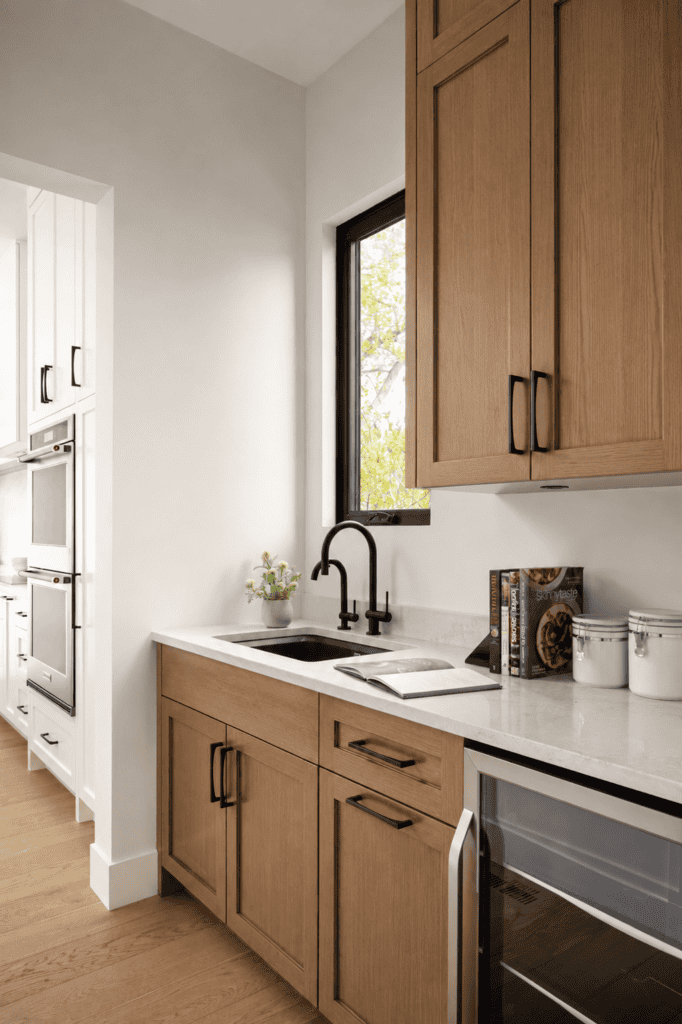
Space Reno specializes in full home renovations in Calgary, managing every stage of the transformation—from planning and design coordination to structural upgrades, lighting modernization, ceilings, walls, and premium finishes. Our renovation team focuses on creating functional, modern living spaces that improve comfort, efficiency, and long-term property value while maintaining a clean, organized construction process.

Home renovation
Britannia kitchen
Britannia, Kitchen

Renovating Homes Across Calgary
house remodeling Calgary


Space Reno works with homeowners throughout Calgary and surrounding communities including Aspen Woods, Mahogany, Altadore, Springbank, and Bearspaw. Each renovation project is tailored to the home’s layout, lifestyle needs, and architectural style.

Begining with - Space Reno

We begin with a free consultation to understand your ideas, needs, and goals for your space. Our team works closely with you to create a detailed design plan, ensuring every detail matches your vision.

Once the plan is ready, we take care of everything—from selecting materials to managing the construction process—so you can relax while we bring your dream space to life.

With Space Reno, your renovation journey starts with a vision and ends with perfection.

Upper Mount Royal
Upper Mount Royal, Calgary
ultimate renovations calgary
Maple Ridge, Calgary

Cost of Home Renovation in Calgary

The cost of a home renovation in Calgary varies depending on the size of the project, materials, and level of customization. Smaller updates can start around $15,000–$30,000, while full home renovations can range from $80,000 to $250,000+.

The cost also depends on whether you are planning a full home upgrade or focusing on specific areas like a kitchen renovation in Calgary or a bathroom renovation in Calgary.

What affects cost the most:

  • layout changes
  • structural work
  • material quality
  • lighting and ceiling upgrades

Modern renovations that include integrated lighting and clean ceiling finishes often deliver better long-term value, even if the upfront cost is slightly higher.

Common Mistakes Calgary Homeowners Make

Many renovation projects fall short not because of budget, but because of poor planning.

The most common mistakes include:

  • focusing only on cabinets and finishes
  • ignoring lighting design
  • overcrowding spaces
  • choosing outdated materials
  • not thinking about ceiling design

Many homeowners also overlook functional spaces like the lower level, especially when planning a basement renovation in Calgary, which can significantly increase usable space and property value.

Why Lighting Changes Everything

Lighting is one of the most overlooked parts of a renovation.

Standard potlights often create shadows, uneven brightness, and visual clutter. This can make even expensive renovations feel average.

Modern renovations use:

  • integrated lighting
  • soft, even distribution
  • hidden light sources
  • layered lighting design

This is especially important in projects like a modern kitchen renovation in Calgary, where lighting helps define the entire space and overall experience.

Old Homes in Calgary – What You Need to Know

Many homes in Calgary, especially in areas like Acadia, Willow Park, and Bonavista, were built decades ago and come with outdated layouts and materials.

Common issues include:

  • low or uneven ceilings
  • poor insulation and lighting
  • outdated electrical setups
  • inefficient use of space

Older homes often need targeted upgrades, whether it’s a kitchen renovation in Calgary, modern bathroom improvements through a bathroom renovation in Calgary, or a full basement renovation in Calgary to unlock additional living space.

Modern renovation approaches focus on upgrading these homes without unnecessary demolition, improving layout, lighting, and finishes while respecting the existing structure.

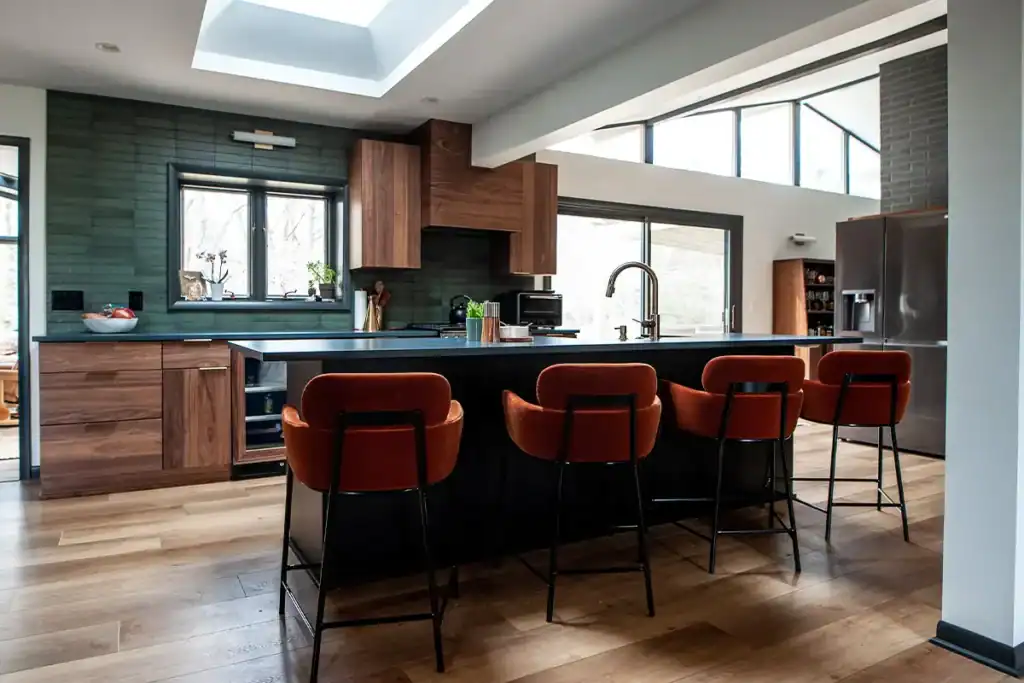
Walnut kitchen Cabinets Roxboro calgary
Roxboro, Calgary
Eagle Ridge Calgary
Eagle Ridge, Calgary

Our Proven Full Home Renovation Process

Paying

Consultation

We start with a free consultation to understand your vision, needs, and goals. Share your ideas, and we’ll provide expert advice to bring them to life.

Designing space

Design & Planning

Our team creates a detailed plan tailored to your space, blending design, functionality, and your unique style. Review and approve the design before we move forward.

Renovation

Execution

Sit back while our skilled professionals handle everything—construction, materials, and finishes. We ensure every detail is handled with care and precision.

Congrarts client

Completion & Enjoyment

Your dream space is ready! Walk through your beautifully transformed space, and enjoy the blend of style, comfort, and functionality we deliver.


Bearspaw Calgary
Bearspaw, Calgary
Canada Lobby Sitting area
Lobby Sitting, Canada

Trusted By Calgary's Best

We are proud to work with some of the best Calgary architects, designers, contractors, and builders to bring unique, high-quality projects to life. 

We lead you with no stress

We’re Local and Ready to Help

At Space Reno, we’re proud to be locally based, understanding the unique needs of our community. Our team is ready to assist with your renovation journey, offering personalized solutions and unmatched expertise. Whether you’re upgrading your home or transforming a commercial space, we’re here to make the process smooth, stress-free, and tailored to your vision.

Why Homeowners Choose Space Reno

We open new design possibilities for homes, condos, and commercial spaces through modern, custimizable stretch ceilings and lighting products. Discover our solutions tailored to your property type.


  • Design-drivenenovation planning
  • Clean and controlled installation process

  • Integrated lighting and ceiling specialists

  • Clear communication and project transparency

  • Renovations designed to increase property value

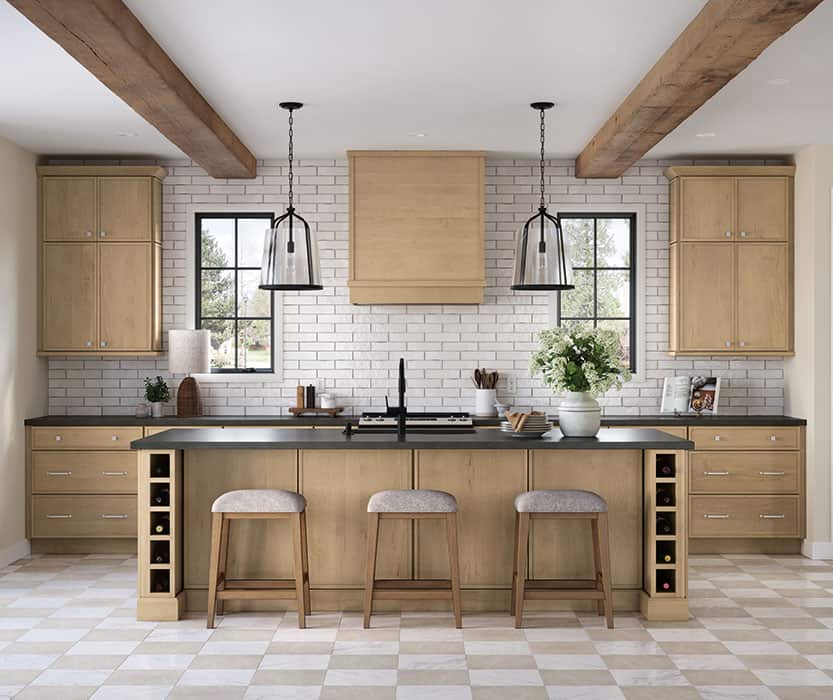
maple kitchen calgary
Professional Renovation Planning

What Calgary Homeowners Should Know Before Renovating

A successful home renovation is not only about choosing new finishes. Before construction begins, the home should be reviewed for structure, permits, moisture, electrical capacity, plumbing, subfloor condition, ceiling details, and how each trade will be sequenced.

Permit & Scope Review

Some renovations are cosmetic, while others require permits and inspections. Structural changes, basement development, electrical work, plumbing work, HVAC changes, and additions should be reviewed before demolition starts.


Hidden Condition Inspection

Older Calgary homes can hide soft subfloors, previous water damage, poor framing repairs, outdated wiring, old plumbing, uneven ceilings, and insulation issues. Finding these details early helps prevent expensive surprises later.

Trade Sequencing

Renovation work must happen in the correct order. Framing, HVAC, plumbing, electrical, insulation, poly, drywall, painting, cabinetry, flooring, and finishing all depend on proper sequencing.

Design Coordination

Flooring, ceilings, lighting, cabinets, wall finishes, trim, and fixtures should be planned together. This creates a cleaner final result and prevents the renovation from feeling disconnected room by room.

Before Demolition

The Professional Renovation Checklist

Before walls are opened or finishes are removed, Space Reno looks at the practical construction details that affect cost, timeline, safety, and the finished appearance of the home.

Structure

Check load-bearing walls, framing condition, previous alterations, beams, openings, and any areas that may require engineering.

Subfloor

Review squeaks, soft spots, movement, leveling concerns, moisture damage, and whether additional reinforcement is needed before new flooring.

Electrical

Plan outlets, lighting zones, switches, dimmers, appliance circuits, smart controls, and whether the existing system supports the renovation.

Plumbing

Review existing pipes, fixture locations, drainage, dishwasher connections, bathroom updates, and whether lines need to be replaced or relocated.

Ceilings

Inspect popcorn texture, uneven drywall, ceiling height, old repairs, lighting locations, bulkheads, and opportunities for modern ceiling systems.

Moisture & Safety

Look for water damage, poor window sealing, basement humidity, mould risk, and older materials that may require testing before disturbance.

Construction Order

Why Renovation Sequencing Matters

Many renovation delays happen because work is completed in the wrong order. Professional sequencing protects new materials, keeps inspections organized, and reduces rework between trades.

01

Planning

Confirm scope, drawings, materials, permits, budget direction, and construction expectations.

02

Demolition

Remove existing finishes carefully and expose hidden conditions that may affect the renovation.

03

Rough-Ins

Complete framing corrections, HVAC, plumbing, and electrical before walls and ceilings are closed.

04

Inspections

Complete required trade and construction inspections before insulation, poly, or drywall covers the work.

05

Finishing

Move into drywall, priming, painting, cabinets, flooring, trim, lighting fixtures, and final touch-ups.

Long-Term Performance

Renovations Should Improve Comfort, Not Just Appearance

A professional renovation should make the home feel better every day. That means better lighting, smoother flooring, warmer basement spaces, cleaner ceiling lines, improved acoustic comfort, proper ventilation, and finishes that match how the family actually lives.

Energy & Insulation

Exterior walls, windows, air sealing, and insulation choices can affect comfort and efficiency, especially in older Calgary homes.

Acoustic Comfort

Open-concept layouts, basements, offices, and media rooms may need acoustic planning so the space does not feel loud or echo-heavy.

Future Use

Good renovations consider how the home may be used in the future, including aging-in-place, rental potential, resale value, and flexible living areas.

```

What Makes Space Reno Different

Space Reno is not a standard renovation contractor. We specialize in modern renovations where ceilings, lighting, acoustics, and interior finishes are planned together. This allows the final space to feel cleaner, brighter, and more architectural — not just renovated.

01

Integrated Lighting

We plan lighting as part of the renovation itself, helping spaces feel warmer, brighter, and more visually balanced.

02

Modern Ceiling Design

We help solve outdated ceilings, popcorn texture, low ceiling appearance, and unfinished-looking transitions.

03

Acoustic Comfort

Sound matters in modern living. We consider acoustic comfort in basements, offices, media rooms, and open-concept spaces.

04

Luxury Finish Planning

We focus on clean detailing, material transitions, lighting integration, and finishes that feel intentional and refined.

Renovation Problems We Solve

Many older Calgary homes suffer from outdated finishes, poor lighting, dark basements, awkward layouts, and ceilings that make the space feel smaller or unfinished.

Low Ceilings

Modern ceiling strategies and lighting placement can visually improve height perception and openness.

Poor Lighting

Layered lighting helps eliminate harsh shadows and improves comfort throughout the home.

Popcorn Ceilings

We help modernize dated ceiling textures with cleaner and more architectural ceiling solutions.

Dark Basement Spaces

Proper lighting and finish planning can completely transform how lower-level spaces feel.

Outdated Layouts

Renovation planning should improve movement, openness, storage, and overall daily living experience.

Poor Acoustic Comfort

Hard surfaces and open layouts often create echo and noise issues that affect comfort.

Full Home Renovation Calgary FAQ

Structured answers for Calgary homeowners planning a full home renovation, whole house remodel, lighting upgrade, ceiling modernization, smart home wiring, flooring repair, window upgrades, basement development, or complete interior transformation with Space Reno.

A full home renovation usually includes several areas of the house instead of one isolated room. It may include layout changes, flooring, ceilings, lighting, kitchens, bathrooms, basement development, electrical updates, plumbing, painting, trim, doors, windows, and finish coordination.

Start by identifying the main problems in the home: layout, lighting, old finishes, poor storage, basement use, outdated electrical, flooring condition, and comfort issues. Then define scope, budget direction, must-have upgrades, and whether permits or drawings may be required.

Both approaches can work. Renovating everything at once can create a more consistent result and reduce repeated disruption. Phasing may help with budget and living arrangements, but the full design plan should still be considered early so the home does not feel disconnected.

Kitchens, bathrooms, basements, main living areas, lighting, flooring, and ceilings often have the biggest effect on daily comfort and property value. The best priority depends on the home’s condition and how the family uses the space.

Space Reno looks at the full environment, not only finishes. We consider lighting, ceilings, flooring, layout, acoustics, subfloor condition, smart wiring, trade sequencing, and how each renovated area connects to the rest of the home.

Permit requirements depend on the scope. Cosmetic work is different from structural changes, electrical work, plumbing work, HVAC changes, window enlargement, basement development, or additions. Space Reno reviews the scope early so the correct permit path can be considered.

Permit review is commonly needed when the renovation involves structural changes, removing walls, adding or enlarging windows, changing electrical wiring, plumbing, gas, HVAC systems, basement development, or building an addition.

Timelines depend on complete applications, project complexity, revisions, and permit type. Calgary’s building safety timeline page lists residential improvements targets from 7 to 21 calendar days depending on complexity, while new/addition work can take much longer.

Yes. Additions, covered spaces, larger openings, structural changes, and changes to the exterior envelope usually require permit review. Additions often need more planning than interior-only renovations because they can affect structure, drainage, energy performance, and exterior design.

Inspections depend on the permit type. Calgary notes that many residential improvement projects require at least a framing or rough-in inspection, and trade permits such as electrical, plumbing, gas, or HVAC can have their own inspection requirements.

Sometimes, yes, but load-bearing walls require proper review, engineering, beams, posts, permit planning, and inspection. They should never be removed without confirming how the structure is supported.

An engineer may be required when removing load-bearing walls, creating large openings, adding beams, modifying roof or floor structure, changing window sizes, or building an addition.

Open-concept renovations often require structural review, electrical relocation, HVAC adjustments, flooring transitions, ceiling repairs, lighting redesign, and finish coordination between kitchen, dining, and living spaces.

Often yes, but larger windows may require structural headers, exterior work, insulation, weatherproofing, and permit review. The existing wall condition and window location determine how complex the work becomes.

In some homes, yes. Replacing a window with patio doors can affect structure, exterior cladding, insulation, thresholds, flooring, heating placement, and permit requirements.

Older homes should have the electrical system reviewed before walls and ceilings are closed. A renovation is the best time to address outdated wiring, poor switch locations, missing outlets, appliance circuits, and future smart home wiring.

It depends on the home, existing service, and planned upgrades. Kitchens, heated floors, EV charging, basement development, smart systems, appliances, and additional lighting zones may require panel review by a qualified electrician.

Yes. Full home renovation is the ideal time to prewire for ceiling speakers, media rooms, distributed audio, home theatre zones, and future smart controls before drywall and ceiling finishes are completed.

Smart lighting, dimmers, speakers, security cameras, doorbells, network wiring, smart thermostats, automated blinds, and home theatre wiring should be considered before drywall so the home can be upgraded cleanly.

Yes. Lighting locations, switching, dimmers, fixture types, ceiling details, and smart control wiring should be planned before drywall so the finished result looks intentional instead of patched together later.

If walls are open and the plumbing is outdated, poorly installed, leaking, or no longer fits the new layout, replacement or relocation should be reviewed before finishes are installed.

Yes, but relocating plumbing affects framing, drainage, venting, flooring, cabinets, walls, and permits. It should be planned before demolition and rough-in work begins.

Heated floors can improve comfort in bathrooms, basements, entries, and tiled areas. They should be planned early because they affect electrical requirements, flooring build-up, thermostat placement, and installation sequencing.

If the renovation changes room layout, basement use, kitchen ventilation, or wall locations, HVAC should be reviewed. Poor airflow can make newly renovated spaces feel uncomfortable even when the finishes look good.

Airflow can be improved through duct review, return air planning, proper vent placement, HVAC balancing, ventilation upgrades, and avoiding blocked or poorly placed registers during layout changes.

Floors can squeak because of loose subfloor, old fasteners, movement between joists and sheathing, moisture damage, or previous flooring installed over weak areas.

Subfloors should be repaired or reinforced when there are soft spots, movement, water damage, uneven areas, or when the selected flooring requires a stronger and flatter base.

Often yes. Uneven floors can sometimes be corrected through subfloor repair, fastening, patching, self-leveling products, or structural review depending on the cause and flooring type.

Durable flooring choices such as luxury vinyl plank, engineered wood, tile, and quality carpet can work depending on the area. The right choice depends on moisture, pets, children, comfort, cleaning, and design goals.

The answer depends on flooring type, cabinet layout, appliance height, and project sequencing. The decision should be made before materials are ordered so transitions and finished heights are planned correctly.

Popcorn ceilings can make a newly renovated home feel dated. During a full home renovation, the ceiling should be reviewed for removal, covering, stretch ceiling options, lighting integration, or other modern ceiling finishes.

Older homes may contain asbestos in ceiling texture or related materials. Suspected materials should be tested before scraping, sanding, or demolition. In some situations, covering the surface with a modern ceiling system may reduce disturbance.

Yes. Stretch ceilings can create a clean finish, hide uneven surfaces, integrate lighting, improve visual consistency, and modernize rooms without traditional drywall finishing in many situations.

Yes. Acoustic ceiling systems can help reduce echo and improve comfort in open-concept areas, offices, basements, media rooms, and homes with hard flooring or large reflective surfaces.

Yes. Renovation is the best time to plan ceiling speakers, recessed lighting, linear lighting, perimeter lighting, smart controls, and specialty ceiling features before final finishes are installed.

Windows should be reviewed if they are drafty, damaged, poorly sealed, outdated, or if the renovation changes the layout. Replacing windows during renovation can improve comfort, appearance, and energy performance.

Yes. Larger windows can improve natural light and make older homes feel more open, but they may require structural headers, permit review, exterior finishing, insulation, and proper sealing.

When walls or ceilings are open, insulation can be reviewed and upgraded. Exterior walls, basement areas, attic connections, and poorly insulated zones can affect comfort and efficiency in Calgary homes.

Air leaks can make a renovated home feel drafty and inefficient. Window sealing, exterior wall details, insulation gaps, basement rim joists, and attic transitions should be reviewed when possible.

Yes. Better insulation, improved windows, air sealing, heated floors, HVAC balancing, and better lighting can make the home feel warmer, brighter, and more comfortable during Calgary winters.

A typical order is planning, permits if needed, demolition, structural work, framing, HVAC, plumbing, electrical, inspections, insulation, poly, drywall, priming, ceiling finishes, cabinetry, flooring, trim, fixtures, paint touch-ups, and final cleaning.

Electrical, plumbing, HVAC, speakers, smart wiring, and other rough-ins should be completed before drywall so the work is accessible for installation, correction, and inspection.

Painting usually happens after drywall and priming, but final touch-ups often happen near the end after cabinets, flooring, trim, fixtures, and trades are complete.

Organization comes from clear scope, trade sequencing, early material planning, permit awareness, communication, and understanding which steps must be completed before the next trade begins.

Sometimes, but it depends on scope. Major kitchen, bathroom, flooring, electrical, or whole-house work can make living in the home difficult. Phasing may be possible when the project is planned carefully.

Kitchens, bathrooms, basement development, flooring, lighting, ceiling modernization, window upgrades, and functional layout improvements often add strong value when completed with good planning and quality finishes.

Aging-in-place planning may include better lighting, wider circulation, safer flooring, accessible bathrooms, main-floor improvements, smart controls, and reduced trip hazards.

Yes. Better lighting, ceiling design, open sightlines, consistent flooring, larger openings, reflective finishes, and improved layout can make a home feel more spacious without an addition.

Ceilings and lighting shape how every room feels. Planning them early improves comfort, atmosphere, material appearance, acoustic performance, and the final luxury feeling of the home.

The biggest mistake is focusing only on visible finishes while ignoring structure, permits, subfloor quality, lighting, wiring, plumbing, HVAC, ceilings, and proper sequencing.

Scroll to Top