Mold in House What To Do Calgary: Homeowner Guide by Space Reno
Discovering mold in your Calgary home can feel overwhelming. Whether you’ve spotted dark patches in your basement, noticed a musty smell in your bathroom, or found fuzzy growth behind furniture, you need clear answers fast. This guide walks you through exactly what to do—from immediate action steps to long-term prevention—so you can protect your family and your property.
Found Mold in Your Calgary Home? Do This First
You just pulled back a piece of furniture or opened a storage closet, and there it is: visible mould spreading across your wall. Maybe you’re in a 1990s bungalow with a finished basement, or you’ve noticed water stains creeping across your bathroom ceiling. Your stomach drops. Now what?
Here’s what you need to understand immediately: any visible mold in Calgary’s relatively dry climate is a red flag signaling a moisture problem underneath. Our indoor environment shouldn’t support mold growth unless something has gone wrong with water intrusion, ventilation, or humidity control. The good news? Catching it now means you can take immediate action before structural damage escalates.
Your 4-Step Immediate Action Plan:
Stop the moisture source – If you can identify an obvious leak, drip, or water damage, address it right away. Turn off water to a leaking pipe, place a bucket under a drip, or move items away from damp areas.
Avoid disturbing the mold – Don’t scrub, sand, or vacuum the affected area yet. Aggressive cleaning can release spores into the air, spreading the problem throughout your home.
Protect vulnerable individuals – Keep children, seniors, pregnant family members, pets, and anyone with respiratory conditions or allergies away from the affected area.
Plan your next steps – Assess whether this is a small patch you can handle yourself or a larger issue requiring professional help.
When is DIY reasonable? If you’re looking at a small area of surface mold (roughly the size of a dinner plate or smaller) on a non-porous surface like tile or glass, you can likely clean it yourself with proper protective equipment. However, if the mold covers a larger area, appears in multiple spots, has penetrated damp drywall or insulation, or if your home was built before 1990 (raising potential asbestos concerns), it’s time to call in professionals.
If your mold problem is tied to a flooded basement, recurring bathroom leaks, or aging ceilings that need replacing, contact Space Reno. We work with qualified remediation partners and then handle the renovation that transforms your space back to better than before.
What Is Mold and Why It Matters in Calgary Homes
Mould is the common name for fungi that grows on materials in homes or buildings. Mould typically grows indoors if moisture is present.
Mold is a type of fungus that occurs naturally outdoors but becomes a problem when it takes hold inside your home. It thrives on organic materials—drywall, wood, carpet, insulation, and even dust—as long as moisture is present. Given the right conditions, mould spores (which are always floating in air) will settle and begin to grow within 24 to 48 hours.
Health Canada treats any indoor mold growth as a potential health hazard. There’s no officially defined “safe” exposure limit, which means the approach is straightforward: if you can see or smell mold, you need to address it.
Calgary’s climate creates specific conditions that increase mold risk in local homes:
Season | Moisture Risk |
|---|---|
Spring | Snowmelt infiltration through foundation cracks and window wells |
Summer | Heavy rain, high humidity, and storm damage |
Fall | Condensation as temperatures drop and heating begins |
Winter | Frozen pipes bursting, ice damming on roofs, indoor humidity buildup |
You’ve probably heard of black mold—technically Stachybotrys chartarum—which gets attention for its dark green-black appearance and reputation for toxicity. Black mould is often identified by its slimy texture and dark coloration, and is considered especially hazardous due to its potential to release toxic spores that can cause serious health issues, particularly for children, the elderly, and those with respiratory conditions. Prompt removal of black mould is crucial to maintain a healthy indoor environment. |
Season
Moisture Risk
Spring
Snowmelt infiltration through foundation cracks and window wells
Summer
Heavy rain, high humidity, and storm damage
Fall
Condensation as temperatures drop and heating begins
Winter
Frozen pipes bursting, ice damming on roofs, indoor humidity buildup
You’ve probably heard of black mold—technically Stachybotrys chartarum—which gets attention for its dark green-black appearance and reputation for toxicity. Black mould is often identified by its slimy texture and dark coloration, and is considered especially hazardous due to its potential to release toxic spores that can cause serious health issues, particularly for children, the elderly, and those with respiratory conditions. Prompt removal of black mould is crucial to maintain a healthy indoor environment.
But other common household molds like Aspergillus and Penicillium species also cause problems. The color alone doesn’t tell you how dangerous a mold is; any indoor mold growth warrants action.
Understanding what mold is helps you decide whether you’re dealing with a quick cleaning task or a renovation project. If mold is growing on building materials or keeps coming back, you’re looking at more than surface cleaning—you need to fix what’s feeding it.
Health Effects of Dampness and Mold Exposure
Mould exposure over a long period can affect your health, particularly your respiratory system. While not everyone reacts the same way, living in damp environments with active mold growth increases the risk of symptoms for everyone in the household.
Common Symptoms of Mold Exposure
Common symptoms associated with mold and dampness include:
Coughing and wheezing
Nasal congestion and runny nose
Itchy eyes, skin irritation, and throat irritation
Headaches and fatigue
Worsened asthma symptoms
Allergic reactions in sensitive individuals
Vulnerable individuals face higher risks:
Infants and young children (developing immune and respiratory systems)
Seniors (weakened immune response)
Pregnant people
Anyone with asthma, allergies, or chronic lung conditions
People with compromised immune systems
Health Canada and international health organizations have documented links between living in damp homes and higher rates of asthma development, respiratory infections, and allergic conditions. The World Health Organization estimates that 20-30% of populations may experience respiratory irritation from indoor mold exposure.
If you or family members are experiencing persistent respiratory issues, allergic reactions, or other health concerns that seem to improve when away from home, speak with a healthcare provider. Be sure to mention that you’ve found mold or dampness in your home—this context helps with proper evaluation.
The potential health risks make it clear: addressing mold isn’t just about protecting your property. It’s about maintaining a healthy environment for everyone living there.
Finding the Moisture Source in a Calgary House
Here’s the critical truth about mold in Calgary homes: mold growth is always a symptom of a moisture problem. You can clean mold off surfaces all day, but if you don’t fix the underlying cause, it will return. Often within weeks.
Common Moisture Sources in Calgary Homes
Common moisture sources in Calgary homes:
Source | Where to Look |
|---|---|
Roof leaks and ice damming | Attic sheathing, ceiling stains, around skylights |
Foundation cracks | Basement walls, floor-wall joints, window wells |
Plumbing leaks | Under sinks, behind toilets, around tub/shower surrounds |
Poor ventilation | Bathrooms without exhaust fans, sealed basements |
Condensation | Windows, cold exterior walls, uninsulated pipes |
Flooding history | Basements, crawl spaces, lower-level storage |
Source
Where to Look
Roof leaks and ice damming
Attic sheathing, ceiling stains, around skylights
Foundation cracks
Basement walls, floor-wall joints, window wells
Plumbing leaks
Under sinks, behind toilets, around tub/shower surrounds
Poor ventilation
Bathrooms without exhaust fans, sealed basements
Condensation
Windows, cold exterior walls, uninsulated pipes
Flooding history
Basements, crawl spaces, lower-level storage
Room-by-Room Inspection Approach
Start in your basement—Calgary’s clay-heavy soils retain moisture and put pressure on foundations. Look for dampness, efflorescence (white mineral deposits), peeling paint, water stains, and musty odours. Check around the sump pump, floor drains, and window wells.
Move to bathrooms and kitchens. Inspect under sinks, around toilets, behind washing machines, and along tub and shower surrounds. Look for soft spots in flooring, bubbling paint, and any discoloration.
Check windows throughout your home, especially north-facing ones. Condensation on window sills can lead to mold growth on frames and surrounding drywall.
Humidity Control Basics
Invest in a hygrometer (under $20 at most hardware stores) to monitor indoor humidity. Keep levels between 30-50%.
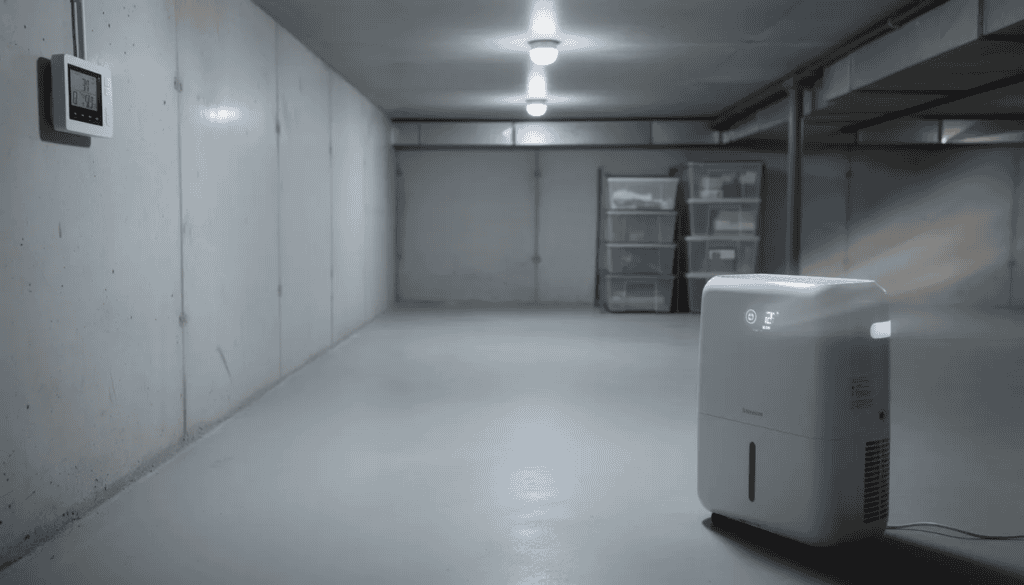
In chronically damp basements, run a dehumidifier rated for your space size—basements often need units capable of removing 50-70 pints per day.
If you’re planning renovations anyway—a new bathroom, finished basement, or ceiling upgrade—that’s the ideal time to correct underlying ventilation, drainage, and insulation problems that create recurring moisture issues.
Calgary-Specific Red Flags to Watch For
Calgary’s freeze-thaw cycles, chinook temperature swings, and distinct wet seasons create patterns of water damage that differ from other regions. Here’s what to watch for:
Water staining on basement floors after June rains – Our intense summer storms can overwhelm weeping tile and sump systems, especially in homes with inadequate drainage
Frost or condensation on attic sheathing – Poor attic ventilation combined with heat loss creates moisture that feeds hidden mould
Mold along north-facing exterior walls – These walls stay colder and attract condensation, especially in older homes with poor insulation
Recurring moisture around windows – Ice buildup and condensation lead to mold on window sills and surrounding drywall
Basement dampness after spring snowmelt – Calgary’s rapid spring thaw can send water toward foundations faster than the ground can absorb it
Important note for older homes: Properties built before the late 1980s in Calgary may contain asbestos in textured ceilings, old floor tiles, pipe insulation, or drywall compound. Before disturbing any moldy area in an older home, have a professional assessment done. Cutting into materials containing both mold and asbestos creates serious health hazards.
If your moisture problems point to bigger building issues—foundation water ingress, recurring attic condensation, or failing bathroom waterproofing—contact Space Reno, a Calgary-based home renovation company. We specialize in renovations that address these root causes while transforming your space.
How to Tell How Bad the Mold Problem Is
Before deciding on your approach, you need to assess the scope of the problem. The size of the mold-affected area is one of the key factors in determining whether DIY cleanup is reasonable or if professional mold remediation is necessary.
Size Categories for Assessment:
Area Size | Classification | Typical Approach |
|---|---|---|
Less than 1 m² (about 10 sq ft) | Small/isolated | Often DIY-manageable |
1-3 m² (10-30 sq ft) | Moderate | Consider professional assessment |
Over 3 m² (30+ sq ft) | Large | Professional remediation recommended |
Warning signs that indicate a bigger problem: |
Area Size
Classification
Typical Approach
Less than 1 m² (about 10 sq ft)
Small/isolated
Often DIY-manageable
1-3 m² (10-30 sq ft)
Moderate
Consider professional assessment
Over 3 m² (30+ sq ft)
Large
Professional remediation recommended
Warning signs that indicate a bigger problem:
Multiple small patches appearing in different rooms (suggests systemic ventilation or moisture problem)
Mold in the same spot repeatedly after cleaning (moisture source unresolved)
Strong, persistent musty odours even without visible mould (hidden mould behind walls, under floors, or above ceilings)
Soft or deteriorating drywall, warped wood, or other structural damage
Mold growth following flooding or sewage backup
A critical safety point: never open up large moldy walls or ceilings yourself. Cutting into contaminated drywall can release billions of mould spores into your home. In Calgary’s older housing stock, you also risk disturbing asbestos in original ceiling textures, drywall compound, or insulation.
If you suspect hidden mould based on smell or recurring symptoms but can’t locate visible growth, professional mold inspection with moisture detection equipment can identify the source without unnecessary demolition.
When DIY Is Reasonable vs. When to Call a Pro
The decision comes down to three factors: safety, size, and building age.
DIY is generally appropriate when:
Mold appears on small patches of non-porous surfaces (tile, glass, metal, sealed countertops)
You can clearly see the full extent of the problem (no hidden growth suspected)
The moisture source is obvious and already fixed
Your home was built after 1990 or you’ve confirmed no asbestos is present
No one in the household has serious respiratory conditions or compromised immunity
Call a professional when:
Mold patches exceed 1-3 m² in total area
Mold resulted from sewage backup, flooding, or contaminated water
Growth keeps recurring in the same location despite cleaning
Mold has penetrated drywall, insulation, carpet, or other porous materials
You suspect hidden mould in wall cavities, under flooring, or in HVAC systems
Your home was built before 1990 (asbestos assessment needed)
Anyone in the household has significant health concerns
For Calgary homeowners dealing with mold in basements with flooding history, major bathroom failures, or growth in finished ceilings and wall assemblies, professional services are the safe choice. Space Reno works with qualified mould remediation specialists and then handles the renovation work to restore and improve your space.
Protecting Yourself: Personal Protective Equipment (PPE)
Even when cleaning small mold areas yourself, basic protective equipment reduces your exposure to spores, dust, and cleaning products. Mold produces microscopic spores that become airborne during any disturbance—breathing these in can trigger respiratory issues and allergic reactions.
Minimum Recommended PPE:
Equipment | Purpose | Notes |
|---|---|---|
N95 respirator | Filters airborne mould spores | Must fit snugly; loose dust masks don’t protect you |
Disposable or washable gloves | Protects skin from mold contact and cleaners | Rubber or nitrile recommended |
Safety goggles | Prevents spores from entering eyes | Should seal around eyes, not just glasses |
Old clothing or disposable coveralls | Prevents spreading spores to other areas | Wash immediately after or dispose of |
Ventilation Guidelines: |
Equipment
Purpose
Notes
N95 respirator
Filters airborne mould spores
Must fit snugly; loose dust masks don’t protect you
Disposable or washable gloves
Protects skin from mold contact and cleaners
Rubber or nitrile recommended
Safety goggles
Prevents spores from entering eyes
Should seal around eyes, not just glasses
Old clothing or disposable coveralls
Prevents spreading spores to other areas
Wash immediately after or dispose of
Ventilation Guidelines:
Good airflow helps carry spores out of your home during cleaning—but be strategic. Open windows on opposite sides of the room to create cross-ventilation. However, never aim fans directly at moldy surfaces, as this spreads spores throughout your indoor environment instead of clearing them out.
Keep these groups away from the work zone:
Children and infants
Seniors
Pregnant individuals
Pets
Anyone with asthma, allergies, or respiratory conditions
Professional crews handling mold removal in Calgary use full PPE, negative air machines that create containment with HEPA filtration, and proper disposal protocols. If your project requires specialized equipment and containment, that’s a clear sign to bring in certified technicians.

Cleaning Small Mold Areas Yourself
Important disclaimer: This guidance applies only to small, accessible mold areas on hard, non-porous surfaces. Large contamination, growth on porous building materials, or structural problems require professional mold remediation.
Step-by-Step Cleaning Approach:
Confirm the moisture source is controlled – There’s no point cleaning if water is still feeding the mold. Fix leaks, improve ventilation, or address humidity before starting.
Put on your PPE – N95 respirator, gloves, goggles, and old clothing.
Isolate the area if possible – Close doors to other rooms and open a window in the work area.
Clean non-porous surfaces – Use detergent and water or an appropriate mold-killing cleaner. Scrub gently—aggressive action aerosolizes spores.
Dry thoroughly – The area must be completely dry within 24-48 hours. Use fans (pointed away from the cleaned surface), dehumidifiers, or both.
Dispose of cleaning materials – Bag rags, sponges, and other materials used for cleaning and dispose of them in outdoor garbage.
Monitor for recurrence – Check the area weekly for several weeks. If mold returns, the moisture problem isn’t solved.
Critical Points to Remember
Never use power sanders, grinders, or cutting tools on moldy materials without professional containment.
Porous materials that have absorbed mold (drywall, insulation, carpet, fiberboard) typically require removal and disposal—surface cleaning won’t eliminate growth that has penetrated these materials.
If mold reappears within weeks, you need professional help to identify and fix the underlying cause.
Cleaners: What to Use and Avoid
The cleaning product matters less than fixing moisture and thoroughly drying the area. Mold can be killed by many products, but it will return if conditions remain favorable for growth.
Recommended options:
Mild dish detergent mixed with water (effective for most surface cleaning)
Commercial mold-killing cleaners designed for bathroom/kitchen use
White vinegar (mild antimicrobial properties)
Understanding bleach limitations:
Bleach is commonly recommended but has significant drawbacks for mold cleaning:
Only effective on non-porous surfaces (doesn’t penetrate wood or drywall)
The water content in bleach can actually feed mold on porous materials
Produces harsh fumes requiring good ventilation
Never mix bleach with ammonia or other cleaners—this creates toxic chlorine gas
For mold on tile grout, shower glass, bathroom fixtures, and sealed countertops, bleach can work. For anything porous—drywall, wood, fabric, carpet—bleach is not an effective safe mold removal solution.
Professional remediation in Calgary uses specialized antimicrobial products (like quaternary ammonium compounds or hydrogen peroxide-based solutions) combined with controlled demolition of affected materials, HEPA-filtered air scrubbers, and industrial drying equipment. This removal process achieves results that surface cleaning cannot.
When to Call Mold and Renovation Professionals in Calgary
Several situations clearly call for professional services rather than DIY approaches:
Mold covering areas larger than 1-3 m² total
Repeated mold growth in the same locations
Mold following flooding, sewage backup, or water damage
Evidence of structural damage (soft drywall, rotting wood, warped materials)
Suspected hidden mould (musty odours without visible growth)
Homes built before 1990 (asbestos assessment required)
Household members with significant health concerns
Professional mold remediation companies and renovation contractors in Calgary can address both the mold itself and the construction, ventilation, or waterproofing issues that caused it. This combination of mould removal and root-cause repair is what prevents future problems.
What to expect from professional services:
Thorough mold inspection using moisture meters, thermal imaging, and visual inspection
Clear scope of work with defined containment boundaries
Proper PPE and containment protocols (negative air pressure, HEPA filtration)
Controlled removal and disposal of contaminated materials
Post-remediation verification (visual confirmation and sometimes air testing)
Documentation for insurance purposes
Questions to ask potential contractors:
Do you have experience with Calgary basements, bathrooms, and older ceiling systems?
Are you insured and certified for mold/asbestos work?
Will you address the moisture source or just remove existing mold?
Do you provide post-remediation verification?
Can you coordinate with renovation contractors for repairs?
Space Reno is a Calgary renovation company that partners with qualified remediation experts. Once mold and moisture issues are professionally addressed, we restore and modernize affected spaces—basements, bathrooms, ceilings, garages—so you end up with a space that’s better than before.
How Space Reno Helps After Mold Is Found
When Calgary property owners discover mold, they often realize it’s connected to bigger issues: an outdated bathroom with poor waterproofing, a basement that floods every spring, or a ceiling damaged by a long period of slow leaks. That’s where Space Reno comes in.
We’re the renovation partner you call once mold and moisture issues are identified—whether you’ve handled a small cleanup yourself or worked with a remediation company on a larger mold infestation.
Typical Space Reno projects following mold issues:
Area | What We Do |
|---|---|
Basements | Rebuild with proper drainage, insulation, and moisture-resistant materials to prevent future problems |
Bathrooms | Renovate with waterproof membranes, proper ventilation, and modern fixtures that eliminate damp environments |
Area
What We Do
Basements
Rebuild with proper drainage, insulation, and moisture-resistant materials to prevent future problems
Bathrooms
Renovate with waterproof membranes, proper ventilation, and modern fixtures that eliminate damp environments
| Ceilings | Replace stained or damaged ceilings with modern stretch ceilings, integrating LED lighting and acoustic solutions | | Garages | Address moisture intrusion and upgrade to functional, finished spaces | Our renovation approach uses eco friendly certified ceiling products, integrated LED lighting solutions, and acoustic improvements that enhance comfort after remediation. We design spaces that look great and perform better against Calgary’s challenging moisture conditions.
Space Reno coordinates with remediation specialists, so you don’t have to juggle multiple contractors or worry about handoff problems between teams. From initial consultation through final installation, we manage the process.
If mold has revealed the need for broader upgrades or reconfiguration of your Calgary home, contact Space Reno for a consultation. We’ll help you turn a frustrating discovery into an opportunity to improve your space.
Do You Need Air Testing for Mold?
If you can see mold or smell persistent musty odours, air quality testing is usually unnecessary. The priority is cleanup and fixing the moisture source—not confirming what your eyes and nose already tell you.
Health Canada generally does not recommend routine mold air testing for typical homes with obvious contamination. The reasoning is straightforward: if mold is visible, testing doesn’t change the response (remove it and fix the moisture), and results can be difficult to interpret without expert context.
Situations where air testing may be helpful:
Suspected hidden mould with strong odours but no visible growth
Real estate transactions where documentation is needed
Post-remediation verification to confirm cleanup success
Households with severely sensitive or vulnerable individuals
Legal or insurance disputes requiring documentation
If you pursue mold testing or air quality testing, work with qualified professionals who use accredited laboratories. Understand that air testing captures a snapshot in time—spore counts vary depending on when samples are taken, air movement, and recent activities.
What air testing cannot do:
Diagnose specific health risks for individuals
Replace a thorough building inspection for moisture sources
Guarantee that remediation was successful (visual inspection and professional protocols matter more)
Determine whether mold you’re seeing is “dangerous” based on species alone
View testing as one tool among many—not a required first step before addressing obvious water and mold problems. For most Calgary homeowners, identifying and fixing the moisture problem combined with proper mold removal delivers better results than extensive testing.
The Importance of Air Quality in Your Home
Maintaining good air quality in your home is essential for a healthy environment—especially in Calgary, where seasonal changes and moisture issues can quickly impact indoor air. Poor indoor air quality is often linked to mold growth, which thrives in damp environments like bathrooms, kitchens, and basements. When mold takes hold, it releases spores into the air, contributing to a range of health concerns such as respiratory conditions, allergic reactions, and even skin irritation.
High humidity and hidden water leaks are common culprits behind mold infestation. If left unchecked, these issues can lead to persistent musty odours and ongoing health risks for everyone in your household. Vulnerable individuals, including children, seniors, and those with pre-existing respiratory issues, are especially at risk from poor air quality caused by mold exposure.
Regular air quality testing is a proactive way for property owners to identify potential problems before they escalate. Air testing can detect elevated levels of mold spores, even when visible mold isn’t present, helping you pinpoint areas that may require mold remediation. Prompt action—such as fixing water leaks, using exhaust fans, and ensuring proper ventilation—can prevent mold growth and protect your indoor air quality.
Ultimately, prioritizing air quality means taking steps to prevent mold from gaining a foothold. By addressing moisture sources and maintaining a dry, well-ventilated indoor environment, you can safeguard your family’s health and enjoy peace of mind in your Calgary home.
Understanding the Costs and Benefits of Mold Remediation
Investing in mold remediation is one of the most important steps you can take to protect your home and health. While the costs of remediation can vary depending on the extent of mold growth, the type of mold, and the size of the affected area, the benefits far outweigh the initial expense. Mold remediation not only addresses immediate health risks but also prevents structural damage and future problems that could lead to even costlier repairs down the road.
Professional mold remediation services begin with a thorough mold inspection to identify early signs of mold and uncover the underlying cause—whether it’s a hidden leak, high humidity, or poor ventilation. Certified technicians use specialized equipment to safely remove mold, ensuring that spores aren’t released into the air and that the removal process is both effective and eco friendly. This level of expertise is crucial for maintaining a healthy indoor environment and minimizing environmental factors that contribute to mold growth.
By choosing professional remediation, property owners benefit from expert guidance on preventing future mold infestations. This includes recommendations for moisture control, ventilation upgrades, and ongoing maintenance. Regular mold inspection and testing can help catch issues early, reducing the likelihood of extensive remediation and protecting your investment in your home.
Ultimately, the value of mold remediation lies in its ability to restore a safe, healthy environment for your family. Addressing mold promptly not only protects your health but also preserves the integrity of your property—making it a smart, long-term investment for any Calgary homeowner.
Preventing Mold in Calgary Homes Long-Term
Prevention beats remediation every time. Once you’ve addressed an existing mold problem, smart maintenance and renovation choices keep it from coming back.
Core Prevention Strategies:
Control humidity: Keep indoor levels between 30-50%. Mold needs moisture above 15-20% relative humidity to grow.
Ventilate wet areas: Use exhaust fans in bathrooms, kitchens, and laundry rooms to remove moisture at the source.
Maintain exterior drainage: Ensure gutters, grading, and downspouts keep water away from your foundation.
Fix leaks promptly: Address plumbing, roof, and window leaks quickly. Just 48 hours of moisture is all mold needs to establish.
Run dehumidifiers: Use in basements and crawl spaces. Calgary basements often need mechanical moisture control.
Calgary-Specific Prevention Tips
Manage snow buildup: Keep snow cleared from foundation walls and window wells to reduce spring melt infiltration.
Check sump pumps in spring: Test before snowmelt season; battery backups provide protection during power outages.
Watch window wells: Clean debris and ensure covers are in place before heavy rain season.
Monitor for ice dams: Proper attic insulation and ventilation prevent warm roof surfaces that cause ice damming.
Service HVAC annually: Duct mold can comprise up to 70% of spore colonies in homes with contaminated systems.
Indoor air quality depends on keeping moisture controlled and ventilation adequate. A healthy environment means addressing environmental factors before they create conditions for mold growth.
How renovation supports prevention:
Updating your home with modern materials and proper construction details dramatically reduces mold risk. This is especially true for Calgary’s older housing stock, where original construction often lacked adequate vapor barriers, ventilation, and waterproofing.
Space Reno designs full home renovations and targeted upgrades—particularly basements, bathrooms, and ceilings—with long-term moisture management and poor indoor air quality prevention as priorities. Whether you’re finishing a basement, upgrading a bathroom, or replacing damaged ceilings, we build in the protection your home needs.

Design and Renovation Choices That Reduce Mold Risk
Modern design can be both beautiful and resilient to moisture. When renovating after mold issues—or proactively upgrading spaces—material and system choices matter.
Moisture-Smart Material Selections:
Mold-resistant drywall (purple board with mold inhibitors) in bathrooms, basements, and kitchens
Cement backer board rather than standard drywall behind tile in showers
Waterproof membranes beneath tile in wet areas
Mold-resistant insulation in basement wall assemblies
Floor finishes that tolerate minor seasonal moisture (luxury vinyl, tile, sealed concrete)
Ventilation Upgrades:
Bathroom exhaust fans rated at 50 CFM minimum, vented directly outside (not into attic space)
Timer switches that keep fans running long enough to clear humidity after showers
HRV/ERV systems that exchange stale air while recovering heat—ideal for tight, energy-efficient homes
Stretch Ceilings for Post-Remediation Restoration:
Space Reno’s stretch ceiling systems offer an excellent solution after mold damage. They cover stained or repaired ceiling surfaces with a clean, modern finish while providing:
Acoustic improvements for comfortable living spaces
Integrated LED lighting options
Eco-certified materials that contribute to better indoor air quality
Quick installation without the dust and disruption of traditional drywall finishing
If you’re replacing older, heavily textured ceilings (which may contain asbestos in pre-1990 Calgary homes), professional assessment and safe removal should precede any new ceiling installation.
The bottom line: Planning for moisture control during any renovation is one of the best investments Calgary homeowners can make. Whether you’re addressing mold detection findings, upgrading an outdated bathroom, or transforming an unfinished basement, building in protection against moist environments prevents the cycle of damage and repair.
Key Takeaways
Any visible mold in a Calgary home signals a moisture problem that must be fixed
Small surface mold on non-porous materials can often be cleaned yourself with proper PPE
Large areas, hidden mould, recurring growth, or older homes with potential asbestos require professional help
Prevention centers on humidity control, proper ventilation, and prompt repair of water leaks
Renovation projects offer the ideal opportunity to upgrade materials and systems that prevent future mold problems
Ready to Transform Your Space After Mold?
Finding mold in your Calgary home doesn’t have to derail your plans—it can be the starting point for a smarter renovation. When moisture problems reveal the need for basement finishing, bathroom upgrades, or ceiling replacement, Space Reno is here to help.
We partner with qualified remediation specialists to ensure mold is properly addressed, then transform affected areas with modern, moisture-resistant renovations featuring eco-certified stretch ceilings, integrated LED lighting, and acoustic solutions.
Contact Space Reno today to discuss your renovation vision. Let us help you turn a frustrating discovery into a space you’ll love for years to come.