Introduction: Aluminum Wiring in Calgary Homes
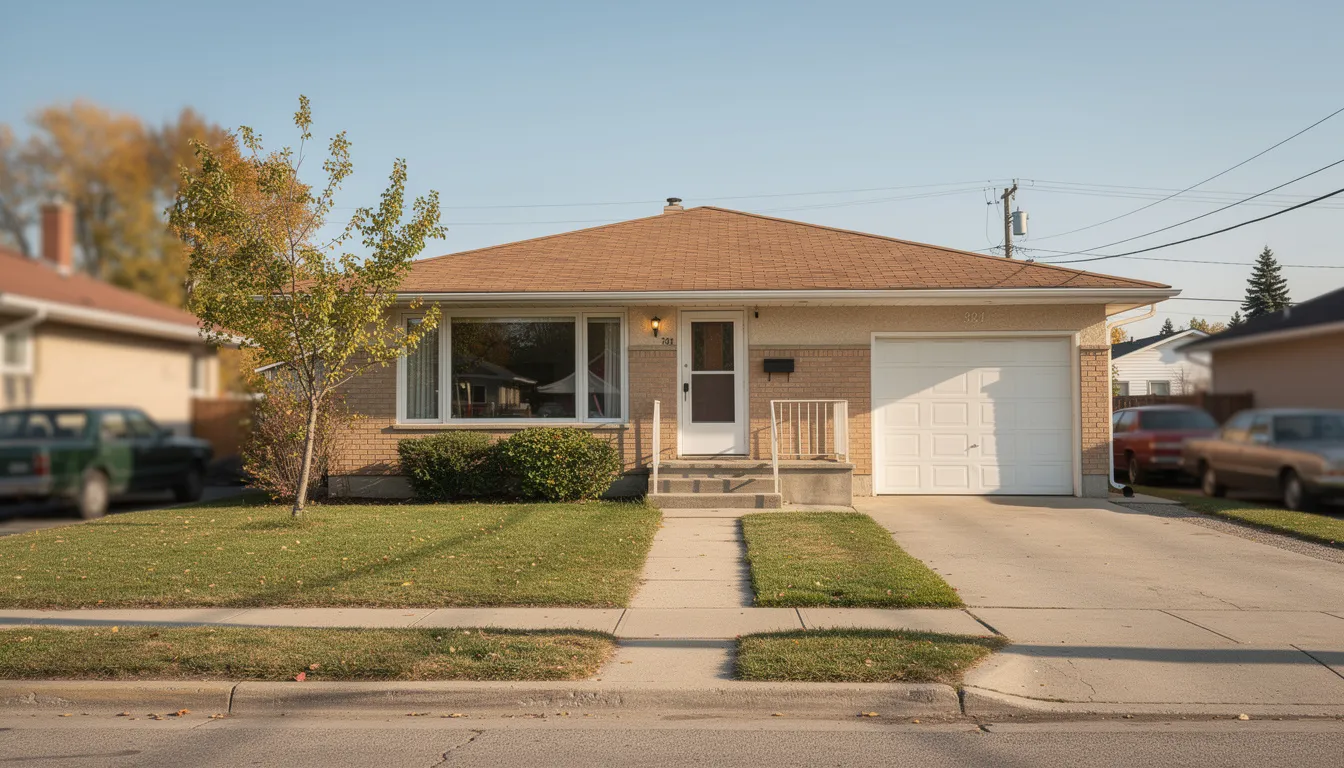
Many Calgary houses built between 1966 and 1978 still have aluminum wiring hidden behind their walls. If you own a bungalow in Beddington, a split-level in Huntington Hills, or a family home in Canyon Meadows or Marlborough, there’s a reasonable chance your electrical system includes aluminum branch circuits installed decades ago. It’s important to identify the types of metals used in your electrical wiring—most commonly aluminum and copper—since mixed metals in electrical systems can create hazards like overheating and increased fire risk due to different expansion and contraction rates.
This matters now more than ever. Home insurance providers in Alberta increasingly scrutinize older electrical wiring before issuing or renewing policies. Buyers and their inspectors flag aluminum wiring during real estate transactions, and unaddressed wiring can slow down sales or reduce your property’s market value. At Space Reno, we regularly encounter aluminum wiring during basement, bathroom, and ceiling renovations in these older Calgary neighbourhoods.
Here’s the important part: homeowners should not panic. Aluminum wiring isn’t illegal, and many homes with proper remediation function safely for decades. However, it must be properly inspected and addressed by licensed electricians to eliminate safety concerns and satisfy insurance requirements.
Key takeaways:
- Aluminum branch wiring was commonly installed in Calgary homes built or renovated between 1966 and 1978
- This wiring poses known fire risks when connections deteriorate or are improperly maintained
- Many Alberta insurers require inspection and remediation documentation before covering older homes
- Professional assessment and remediation can make your home safe, insurable, and market-ready
What Is Aluminum Wiring in a Calgary House?
Aluminum wiring refers to branch-circuit wiring made from aluminum conductors instead of copper. In Canada, builders widely adopted this material when copper prices spiked dramatically during the late 1960s and early 1970s. The switch was purely economic—aluminum cost roughly half as much per foot while being lighter and more readily available during copper shortages linked to global market pressures.
Most Calgary homes containing aluminum branch wiring were constructed or renovated between approximately 1966 and 1976, with peak usage occurring around 1968 to 1973. By the late 1970s, manufacturers had largely phased out aluminum for residential branch circuits due to emerging safety concerns.
Understanding aluminum wiring in your Calgary home:
- Aluminum wiring works for branch circuits running to electrical outlets, switches, and light fixtures throughout your house
- It appears as silver-coloured wire (compared to copper’s dull orange-brown) and often carries markings like “ALUMINUM,” “ALUM,” or “AL” on the cable jacket
- Existing aluminum wiring differs from modern aluminum service entrance cables, which are thicker conductors designed for main electrical feeds and can be safe when properly installed
- The softer metal characteristics of aluminum make it behave differently than copper at connection points over time
- Homes from this era in Calgary may have aluminum wiring in all the wiring throughout the house, or only in specific circuits added during renovations
Is Aluminum Wiring in Your Calgary House Dangerous?
Aluminum wiring was never banned in Canada, and many homes with properly maintained connections have operated without incident for years. However, older aluminum branch wiring has well-documented safety issues that emerge when it’s connected to standard devices designed for copper or when connections deteriorate over time.
The core problems stem from aluminum’s physical properties. Aluminum wiring expands and contracts more dramatically with temperature changes than copper does—roughly 40% more thermal movement during normal heating and cooling cycles. This repeated expansion loosens connections at screws and terminals. When wires oxidize, aluminum oxidation creates a resistive coating that copper doesn’t develop in the same way. Increased resistance at any connection point generates heat, and overheating at outlets or switches creates fire hazards.
Studies in both Canada and the United States have demonstrated dramatically elevated fire risk in older homes with un-remediated aluminum branch wiring. Research by the U.S. Consumer Product Safety Commission found that homes with pre-1972 aluminum wiring are 55 times more likely to develop conditions that could lead to an electrical fire compared to copper-wired homes.
Warning signs that may indicate aluminum wiring problems:
- Warm or discoloured faceplates on receptacles or switches
- Flickering lights that aren’t caused by bulb issues
- Buzzing or crackling sounds from outlets or walls
- A faint burning smell or “hot plastic” odour near electrical devices
- Frequently tripping breakers without an obvious cause
- Visible charring or melting around outlet covers
- Sparks when plugging in appliances
The good news: many aluminum-wired homes can achieve aluminum wiring safe status through professional remediation and ongoing inspection. The danger primarily arises from poor connections, aging devices not rated for aluminum, DIY electrical work, or decades of neglect. A certified electrician can assess your specific situation and recommend appropriate solutions.
How to Tell If Your Calgary Home Has Aluminum Wiring
Many Calgary homeowners living in 1960s and 1970s bungalows and split-levels don’t realize they have aluminum wiring until a home inspection or renovation project reveals it. If your house was built during this era, checking before you start any major project saves time and prevents surprises.
How to safely check for aluminum wiring:
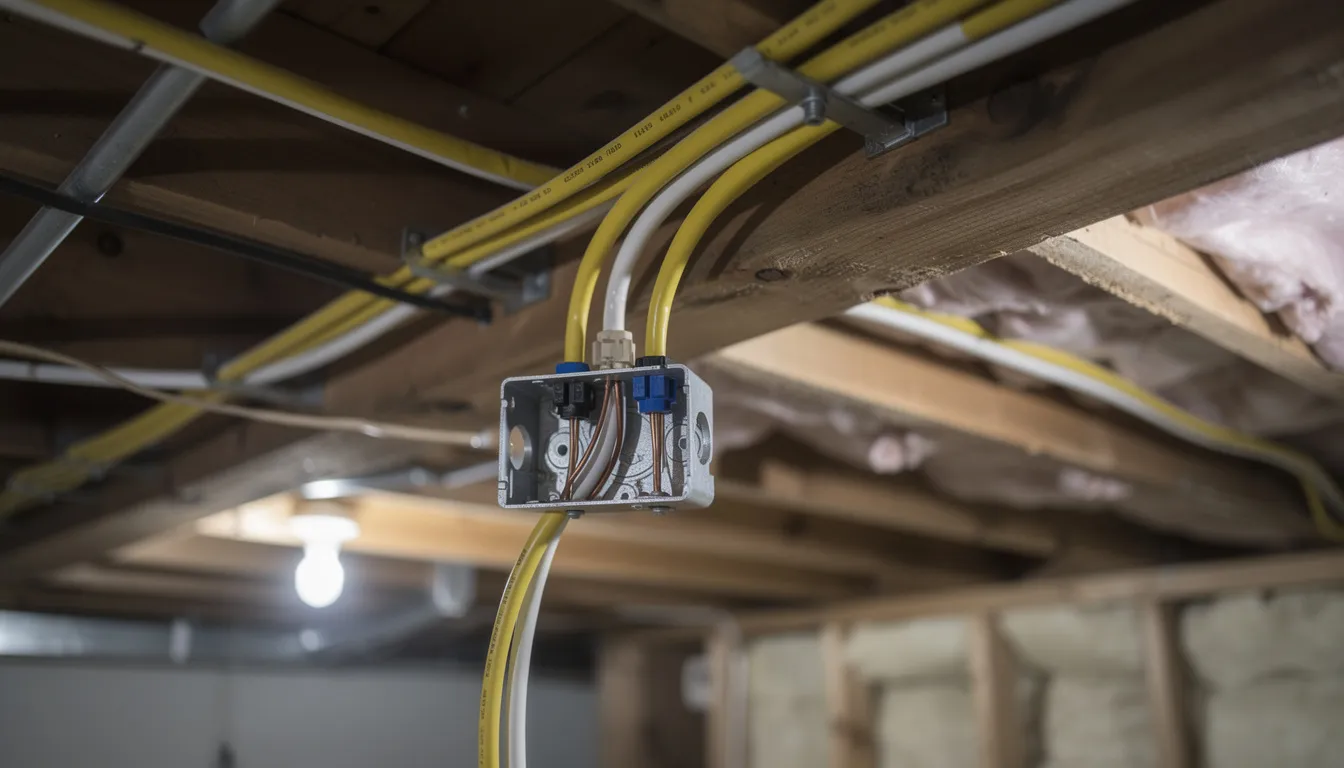
- Start in accessible areas like unfinished basements, utility rooms, garages, or attics where cable runs may be visible
- Look for markings stamped on cable jackets—“ALUMINUM,” “ALUM,” or “AL” indicates aluminum conductors
- Observe wire colour where visible: aluminum appears silver or dull grey, while copper shows orange-brown tones
- Check the main electrical panel (with the cover on) for any labeling indicating aluminum branch circuits
- Note the age of your home—properties built between 1966 and 1978 in Calgary warrant closer examination
If you want to inspect directly at outlets or switches, turn off power at the breaker panel first. Even then, exercise extreme caution. Disturbing old aluminum connections can actually increase risk by loosening already compromised terminations. For this reason, many homeowners choose to skip the DIY inspect approach entirely.
Important safety note: Never pull, bend, or manipulate suspected aluminum wires yourself. The much softer metal characteristics of aluminum mean it work-hardens and can crack with repeated flexing. Have a licensed Calgary electrician perform any hands-on assessment, especially if your home was built between 1966 and 1978 or if a previous inspection report mentions aluminum branch circuits.
Aluminum Wiring, Insurance & Resale in Calgary
Insurance providers across Alberta treat aluminum wiring as an elevated safety risk. Many insurers require documentation before issuing or renewing coverage on homes with aluminum branch circuits. This isn’t about whether aluminum wiring can pass inspection in theory—it’s about demonstrating that your specific home has been properly assessed and remediated.
Your home insurance company may request a recent aluminum wiring inspection report from a licensed electrical contractor, documented remediation showing all connection points have been upgraded, or a signed letter confirming the work meets current electrical code standards. Some insurers accept remediation certificates, while others require specific inspection forms.
What insurance requirements typically involve:
- Inspection by a licensed electrician within a specified timeframe (often within the past year)
- Proof that all aluminum-to-copper connections use approved connectors (such as COPALUM or AlumiConn)
- Confirmation that receptacles and switches are rated for aluminum or have proper pigtailing
- Panel inspection showing secure terminations with anti-oxidant compound where required
When selling your Calgary home, buyers’ inspectors will flag aluminum wiring in their reports. Lenders may ask for proof of remediation before approving mortgages, and savvy buyers will negotiate based on the cost to repair or replace. Properties in older communities like Acadia, Brentwood, Dalhousie, and Fairview commonly face these questions.
Many homeowners choose to have aluminum wiring replaced entirely as a safer, long-term solution. Having aluminum wiring replaced not only reduces fire risk but also helps meet insurance requirements and can make the home more attractive to buyers.
Addressing aluminum wiring before listing helps maintain market value and keeps negotiations straightforward. Having documentation ready—inspection reports, remediation invoices, and permit records—demonstrates clear communication about your home’s electrical history and removes obstacles during closing.
Before starting major renovations, speak with both your insurance provider and a licensed electrician. Coordinating aluminum wiring replacement or remediation with renovation work allows everything to be inspected together, reducing overall cost and hassle.
Options for Dealing With Aluminum Wiring in a Calgary House
When it comes to addressing aluminum wiring in your Calgary home, you have two methods available: remediation (making existing aluminum wiring safe through upgraded connections) or full or partial rewiring with modern copper wiring.
The best approach depends on several factors: the age and condition of your current wiring, your renovation plans, your budget, and what your insurance provider requires. Neither option is universally “better”—each serves different situations.
Comparing your options:
- Aluminum wiring remediation is less invasive and more affordable, typically causing minimal damage to finished walls and ceilings
- Aluminum wiring replacement with copper offers the most permanent solution but requires opening walls and ceilings throughout the affected areas
- Remediation addresses safety concerns while preserving existing wiring; rewiring eliminates the aluminum entirely
- Both approaches require design and execution by licensed electricians familiar with aluminum wiring and current Canadian Electrical Code requirements
Aluminum Wiring Remediation (Safe Repair Without Full Rewire)
Remediation focuses on upgrading all connection points where aluminum meets devices or copper conductors. Rather than replacing all the wiring in your walls, technicians fix aluminum wiring at its vulnerable points—the terminations where loose connections and aluminum oxidation create problems.
The process involves adding approved aluminum-to-copper pigtails using specialized connectors. In Canada, commonly accepted methods include COPALUM crimp connectors, AlumiConn connectors (which use setscrew-free compression), and other CSA-approved devices. Anti-oxidant compound is typically applied at terminations to prevent future oxidation.
What aluminum wiring repair through remediation includes:
- Replacing older receptacles and switches with devices rated for aluminum or properly pigtailed for copper connections
- Upgrading wire nut connections with aluminum-compatible connectors
- Inspecting and tightening panel terminations
- Applying anti-oxidant compound at all connection points
- Testing circuits after completion to verify proper function
Remediation makes sense when homeowners aren’t ready for a full renovation but need to satisfy an insurance provider or address immediate safety concerns. Because it causes minimal damage to finished surfaces, it pairs well with planned cosmetic upgrades like stretch ceilings or fresh paint—the remediation happens first, then the finishing touches follow without requiring additional drywall repair.
Typical cost for remediation in Calgary ranges from approximately $3,000 to $8,000 depending on the number of circuits and accessibility.
Partial or Full Rewiring With Copper
Full rewiring involves replacing aluminum branch-circuit wiring with new copper cable throughout your home. This represents the most permanent solution, eliminating the aluminum entirely rather than managing it at connection points.
The process requires strategic openings in walls and ceilings, running new copper circuits, updating the electrical panel if needed, and then patching and refinishing all opened surfaces. It’s more disruptive than remediation but provides long-term confidence in your electrical system.
When rewiring makes sense:
- Your home shows widespread deterioration of existing aluminum wiring or multiple failed connections
- You’re planning major full home renovations where walls are already being opened (basement development, full kitchen remodel, complete bathroom renovation)
- You want to upgrade your electrical system to support higher loads for modern appliances, EV chargers, LED lighting, or home office equipment
- The extent of remediation needed approaches the cost of rewiring anyway
- You prefer a permanent solution with no ongoing aluminum-related maintenance
Partial rewiring often happens naturally during specific projects. When Space Reno opens walls for a basement development or bathroom upgrade, it creates an efficient opportunity to replace aluminum circuits in those areas with copper at reduced additional cost since access is already available.
Full-house rewiring in a typical 1970s Calgary bungalow ranges from approximately $10,000 to $25,000 depending on size, accessibility, and finishing requirements. While higher upfront, this investment can significantly improve long-term safety, reliability, and resale value.
Copper Wiring Benefits: Why Homeowners Choose to Upgrade
When it comes to upgrading your home’s electrical system, copper wiring stands out as the gold standard for Calgary homeowners. The reasons are clear: copper wiring offers superior safety, efficiency, and long-term reliability compared to aluminum wiring, making it the preferred choice for those looking to future-proof their homes and meet insurance requirements.
One of the most significant advantages of copper wiring is its exceptional ability to conduct electricity efficiently. Unlike aluminum wiring, which is a much softer metal and prone to expansion and contraction with temperature changes, copper wiring remains stable. This stability means fewer loose connections, less risk of sparks, and a dramatic reduction in the chances of overheating or electrical fires. Copper is also far less susceptible to oxidation—while aluminum oxidation can create a resistive layer that impairs conductivity and increases fire risk, copper wiring maintains strong, reliable connections over time.
Homeowners who replace existing aluminum wiring with copper wiring benefit from a safer and more dependable electrical system. Issues like flickering lights, frequent breaker trips, and overheating outlets become far less common. Copper wiring is also a poor conductor of heat, which means it’s less likely to overheat at connection points, further reducing the risk of electrical fires and safety hazards.
From an insurance perspective, copper wiring is viewed as a lower risk by most providers. Homes with modern copper wiring often qualify for better insurance rates and have an easier time passing inspection. This can be especially important if you’re planning to sell your house or need to meet strict insurance requirements for older properties. Upgrading to copper wiring is also a cost effective investment in the long run—while the initial process may involve opening walls and replacing all the wiring in the entire house, copper wiring requires less ongoing maintenance and is less likely to need future repairs.
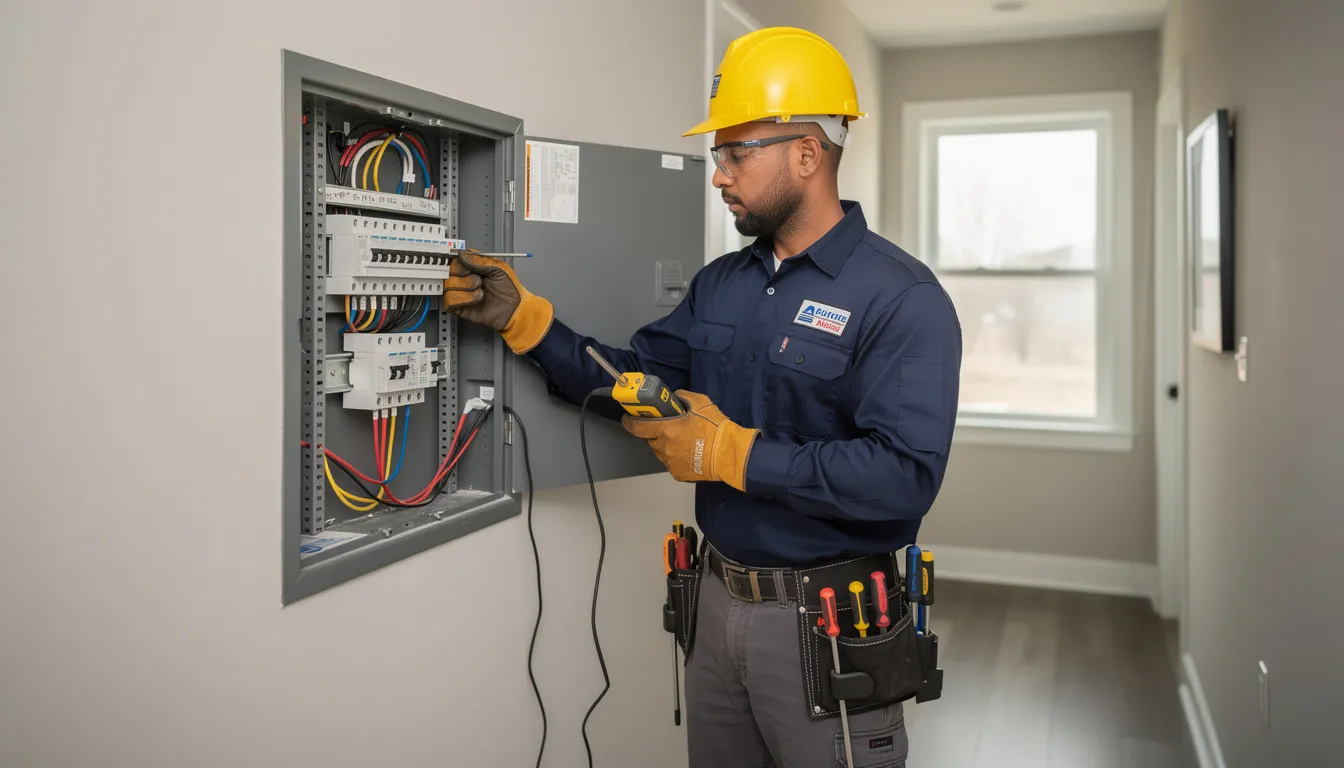
The process of replacing aluminum branch wiring with copper should always be handled by a certified electrician. Professional remediation ensures that all connections, receptacles, and switches are properly installed and that the new system meets current electrical code standards. Clear communication with your electrician is key—they’ll assess your existing aluminum wiring, recommend the best approach for your home, and provide a permanent solution that addresses both safety and efficiency.
Beyond safety and insurance benefits, copper wiring supports modern electrical upgrades. Whether you’re adding new LED lighting, smart switches, or high-powered appliances, copper wiring can handle increased electrical loads without issue. This makes it easier to modernize your home and enjoy the latest technology with confidence.
Ultimately, choosing to replace aluminum wiring with copper wiring gives Calgary homeowners peace of mind. You’ll know your electrical system is safe, efficient, and ready for the future—whether you’re planning a renovation, preparing to sell, or simply want to protect your investment for years to come.
Costs & Project Planning: Aluminum Wiring and Renovations
Actual costs for addressing aluminum wiring in Calgary vary considerably based on your home’s size, the accessibility of wiring, and whether the electrical work stands alone or integrates with a larger renovation project.
For perspective: a 900 square foot condo with limited circuits might fall at the lower end of remediation costs, while an 1,800+ square foot bungalow with an extensive aluminum wiring system throughout could reach the higher ranges. Full rewiring costs scale similarly based on square footage and complexity.
Budget planning considerations:
- Combining aluminum wiring work with planned renovations often reduces overall cost—when walls and ceilings are already open for a new basement suite, bathroom upgrade, or ceiling replacement, running new circuits or accessing connection points becomes significantly more efficient
- Permit fees and inspection costs should be factored into your budget (required for most electrical upgrades in Calgary)
- Realistic timelines range from several days for straightforward remediation to a few weeks for comprehensive rewiring projects
- Finishing costs (drywall repair, paint, ceiling restoration) add to the total when walls have been opened
When planning, obtain detailed written estimates from electricians that specify exactly what’s included. If you’re combining electrical upgrades with broader renovation work, make sure your contractor coordinates timing so the electrical work is complete and inspected before finishing surfaces are installed.
A cost effective approach often involves addressing aluminum wiring during already-planned renovations rather than as a separate project. The installation process for new finishes naturally exposes wiring, creating efficiency for both the electrician and your renovation contractor.
How Space Reno Helps When Your Calgary Home Has Aluminum Wiring
Space Reno functions as a renovation contractor that coordinates closely with licensed Calgary electricians to address aluminum wiring safely during home, basement, bathroom, and ceiling projects. We don’t perform electrical work ourselves—but we understand how it integrates with renovation timelines and help ensure everything comes together smoothly.
Common scenarios where we encounter aluminum wiring include:
- Converting an unfinished 1970s basement into livable space where exposed wires and original wiring become accessible
- Removing old textured or asbestos-containing ceilings in main-floor living areas, revealing junction boxes and connections behind the surface
- Modernizing older condos or bungalows where aluminum wiring is discovered once finishes come down
How our process works when aluminum wiring is involved:
- During initial consultation and site walkthrough, we identify whether your home falls into the 1966-1978 construction era and may contain aluminum wiring
- We coordinate aluminum wiring inspection by a licensed electrician before finalizing renovation plans
- Remediation or rewiring is scheduled to occur before new finishes are installed, avoiding rework
- Electrical permits and inspections are built into the project timeline
- Once wiring is safe, we proceed with basement finishes, bathroom upgrades, stretch ceilings, or other planned improvements
This coordination means fewer surprises, smoother permit and inspection processes, and the ability to upgrade to modern LED lighting and acoustic ceiling solutions once your electrical system meets current standards. Our eco-certified ceiling materials and modern design approaches pair naturally with upgraded, safe electrical installations.
Integrating Safe Wiring With Modern Ceilings, Lighting & Basements
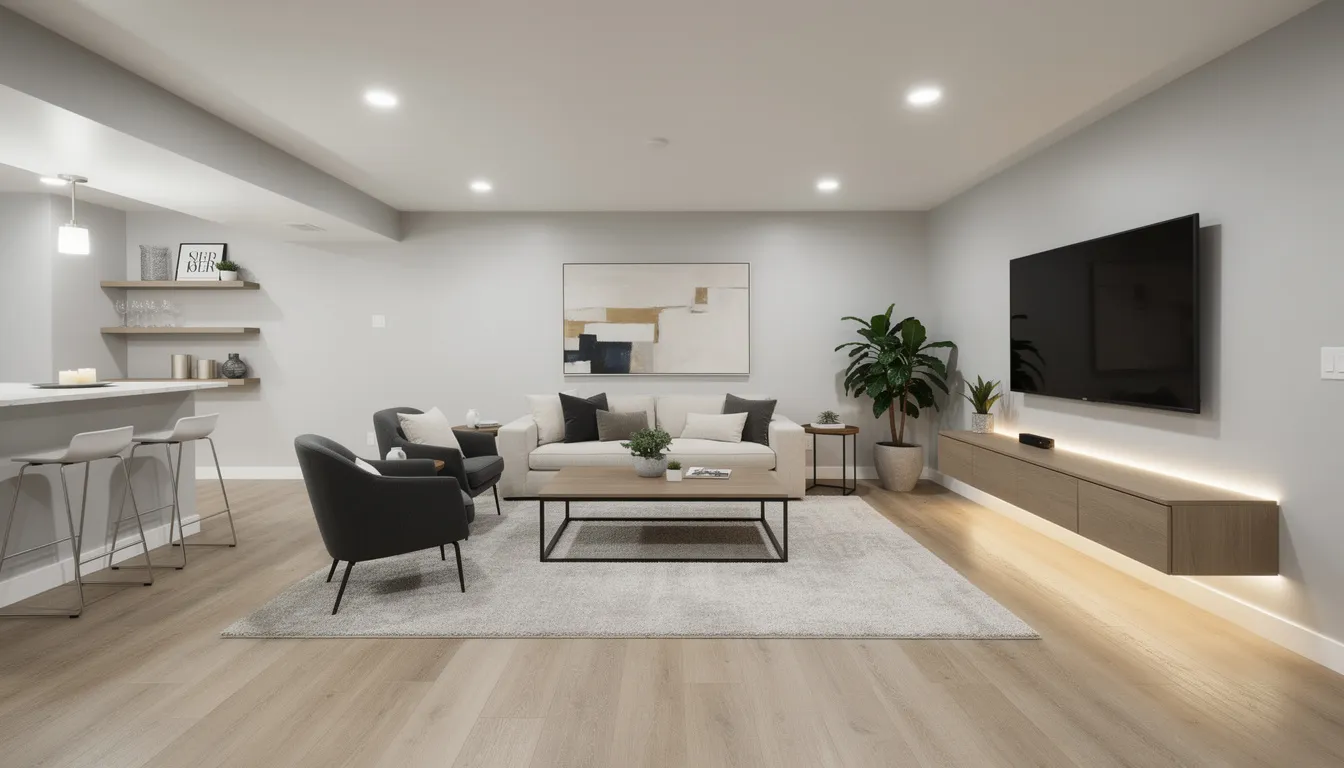
Addressing aluminum wiring fits naturally into broader modernization projects. Once your electrical issues are resolved, a world of design possibilities opens up—new basements, spa-style bathrooms, updated kitchens, and sleek contemporary ceilings become straightforward to execute.
With remediated or replaced wiring, you can confidently add:
- Recessed LED lighting throughout living spaces without worrying about overloading old circuits
- Feature pendant lights in kitchens and dining areas
- Under-cabinet lighting and task lighting in workspaces
- Smart switches and dimmers compatible with modern systems
- Dedicated circuits for home offices with high-powered equipment
Design opportunities after electrical upgrades:
- Stretch ceilings can conceal repaired wiring, junction boxes, and new lighting systems while providing a clean, modern look and improved acoustics
- Safe, upgraded wiring supports future needs like EV chargers in garages, home theatre systems in developed basements, and high-tech home office setups
- Modern electrical systems handle the load demands of contemporary Calgary homes, from multiple devices to electric heating supplements
Think of aluminum wiring not just as a problem to solve, but as an opportunity to bring your older Calgary home up to modern comfort and design standards. Many homeowners discover that addressing this one issue becomes the catalyst for the renovation they’d been considering for years.
When to Call a Professional (And What Not to DIY)
This point deserves absolute clarity: homeowners should not attempt to modify aluminum wiring themselves. This includes replacing outlets, adding switches, or mixing copper and aluminum without approved connectors. Even well-intentioned DIY efforts can create dangerous conditions that take months or years to manifest as electrical issues or worse.
Warning signs requiring immediate professional attention:
- Outlets or switches hot to the touch
- Frequent breaker trips without obvious cause
- Visible charring, melting, or discoloration around electrical devices
- Buzzing or crackling sounds from walls or outlets
- Burning smell or hot plastic odour near receptacles or switches
- Any exposed wires with visible damage
Call a licensed Calgary electrician for inspection if your home was built between 1966 and 1978 and has never had documented aluminum wiring remediation. An inspection provides baseline documentation for insurance and identifies any urgent concerns before they become emergencies.
Space Reno can help coordinate the right professionals at the right stage of your renovation so that electrical work is safe, code-compliant, and properly inspected before finishes go in. We work with trusted electrical contractors who understand aluminum wiring services and the specific requirements for Calgary homes.
Keep copies of all inspection reports, remediation documents, permits, and invoices. These records satisfy insurance requirements, support resale discussions, and demonstrate responsible home maintenance to future buyers.
Planning Your Aluminum Wiring & Renovation Project With Space Reno
Starting a project that involves aluminum wiring doesn’t have to feel overwhelming. At Space Reno, we’ve helped Calgary homeowners navigate this process many times, and we’ve developed a straightforward approach that keeps things moving while prioritizing safety.
Our typical process:
- Initial call or online inquiry where you share your renovation ideas and concerns about your home’s age or wiring
- On-site meeting in Calgary to walk through your space, review visible indicators of home age and potential aluminum wiring, and discuss your goals
- Coordination with licensed electricians for formal assessment and recommendations
- Detailed renovation proposal that integrates electrical work with your broader project—whether that’s a basement development, bathroom upgrade, ceiling transformation, or whole-home modernization
- Managed timeline that sequences electrical work, inspections, and finishing in the most efficient order
Projects commonly begin with basements, bathrooms, or ceilings in older homes. These areas naturally expose wiring during renovation, creating efficient opportunities for remediation or rewiring before new finishes are installed.
If you’re still at the “planning and questions” stage, that’s perfectly fine. Reaching out early helps you understand what’s involved, get realistic cost expectations, and make informed decisions before committing to a full renovation scope.
Ready to move forward?
Contact Space Reno to discuss your aluminum-wired Calgary home and your ideas for modernizing your space. Whether you’re concerned about meeting insurance requirements, preparing to sell, or simply want to update an older property with safe, modern finishes, we’re here to help you navigate the process from initial questions through to a fully upgraded, comfortable home.